James
James
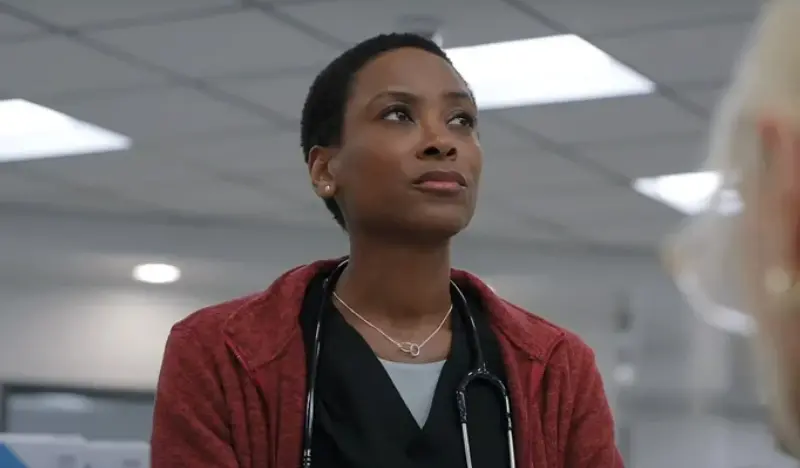
Dr. Heather Collins The Pitt fans waited weeks into Season 2 for answers—and when they finally arrived, they came in the most disappointing way possible: a single throwaway line. One of the show’s most compelling characters, built with care and emotional weight in Season 1, was written out almost entirely off-screen.
When The Pitt returned for its second season earlier this month, expectations were high. The HBO medical drama had earned praise for revitalizing the network-style procedural while tackling heavy themes with emotional depth. Viewers tuned in ready to follow the next chapter of the emergency room team led by Dr. Michael “Robby” Robinavitch, played by Noah Wyle. What many did not expect was how conspicuously absent Dr. Heather Collins would be—and how little the show would do to explain it.
Dr. Heather Collins The Pitt and the Promise of Season 1
From the moment The Pitt premiered, it distinguished itself with a diverse ensemble and complex character arcs. Among them was Dr. Heather Collins, portrayed by British actor Tracy Ifeachor. Though initially reserved and emotionally guarded, Collins quickly emerged as one of the most layered figures in the series.
Season 1 gradually revealed that beneath her professional composure, Collins was navigating infertility, pregnancy loss, and the emotional aftermath of a terminated pregnancy involving Dr. Robby—long before the timeline of the show began. Her storyline unfolded quietly but powerfully, culminating in a devastating miscarriage that occurred during an exhausting 15-hour ER shift.
These moments resonated deeply with audiences. Dr. Collins wasn’t framed as a tragic symbol or a side plot; she was central, human, and flawed. By the midpoint of the season, she had become essential to the emotional backbone of the series.
Then, without warning, she was gone.
The Last Time We Saw Dr. Collins
In the final stretch of Season 1, Dr. Robby sent Dr. Collins home shortly before the mass shooting event that dominated the latter half of the season. At the time, it seemed like a temporary absence—an act of care from one doctor to another.
In retrospect, that quiet exit marked the last on-screen appearance of Dr. Heather Collins.
For months, fans assumed her story would continue in Season 2. Instead, in July of last year, Variety reported that Tracy Ifeachor would not be returning. The reason given was vague: a “creative decision.” No storyline conclusion was announced, and no replacement arc was hinted at.
The reaction was immediate. Viewers who had connected deeply with Collins felt blindsided.
Rumors, Denials, and the Silence That Followed
As often happens when a popular character disappears without explanation, speculation filled the gap. Online rumors suggested that Ifeachor’s alleged ties to a religious organization influenced her willingness to continue the abortion-related storyline. These claims spread rapidly across fan forums and social media.
They were also categorically denied.
Ifeachor’s publicist stated clearly that the actor was “simply not written in as part of Season 2” and that the rumors were false. Since then, Ifeachor has moved on to other projects, including an upcoming film directed by M. Night Shyamalan.
Still, the lack of transparency left fans unsettled. If the decision was purely creative, why remove a character who had become so integral to the show’s identity?
Dr. Heather Collins The Pitt Finally Gets an Explanation—Barely
Four episodes into Season 2, viewers finally received an answer.
In the episode titled “10 A.M.,” Dr. Whittaker casually mentions that Dr. Collins completed her residency and accepted a job in Portland. He adds that she is adopting a baby and wanted to be closer to her family.
That’s it.
No farewell episode. No conversation with Dr. Robby. No acknowledgment of her emotional journey. A character whose trauma and resilience shaped much of Season 1 was written out with a single line of dialogue.
Why the Explanation Feels Inadequate
On a practical level, the explanation makes sense. Doctors rotate. Residencies end. People move on. In a realistic hospital setting, not every departure is dramatic.
But The Pitt isn’t just a procedural—it’s a character-driven drama. Dr. Collins was not a background resident; she was a narrative anchor. Her relationships, especially with Dr. Robby, carried unresolved emotional weight.
Reducing her exit to exposition feels less like realism and more like avoidance.
It also raises questions about consistency. Other characters return after long absences with minimal justification. Dr. Frank Langdon, for example, reappears after ten months in rehab, and the show expects viewers to accept that everyone remembers him clearly. Meanwhile, Dr. Collins vanishes almost without a trace.
The Shadow Dr. Collins Leaves Behind
Even in her absence, Dr. Heather Collins still looms over the emergency room.
Dr. Robby begins a new relationship this season with Noelle Hastings, an insurance case manager played by Meta Golding. The dynamic echoes aspects of his past with Collins, intentionally or not. Meanwhile, his tense interactions with newcomer Dr. Baran El-Hashimi suggest unresolved patterns, particularly around issues of control, authority, and reproductive trauma.
Dr. El-Hashimi’s emotional response to an abandoned baby in the Season 2 premiere hints that the show is still interested in exploring these themes—just without the character who once embodied them most effectively.
Could The Pitt Have Handled This Better?
The frustrating part is not that Dr. Collins left. It’s how she left.
Television history is full of characters who depart unexpectedly due to behind-the-scenes decisions. The difference lies in execution. A single dedicated scene, a letter, or even a brief flashback could have provided closure without disrupting the show’s pacing.
Instead, The Pitt chose efficiency over emotional payoff.
That choice feels especially disappointing given the show’s early commitment to nuanced storytelling and representation. Dr. Collins was not just another doctor; she was a rare portrayal of a Black woman navigating reproductive loss without sensationalism.
Life Goes On in the ER—but Questions Remain
To be clear, The Pitt remains a strong series. Its ensemble cast continues to deliver compelling performances, and the medical cases remain engaging. New characters add fresh energy, and returning ones evolve in believable ways.
The show does not collapse without Dr. Collins—but it is undeniably changed.
Her absence highlights a lingering question that the series has yet to answer: why was her story cut short at all?
Viewers may now know where Dr. Heather Collins ended up. What they still don’t know is why The Pitt decided it no longer needed her.