Archaeologists Discover the Earliest Known Stitching in North America
Oregon ancient sewing evidence has emerged from a cave shelter that preserved organic materials for more than 12,000 years, offering what researchers believe may be the oldest direct proof of stitching ever discovered. The find sheds new light on how early humans survived extreme cold during the Late Pleistocene period.
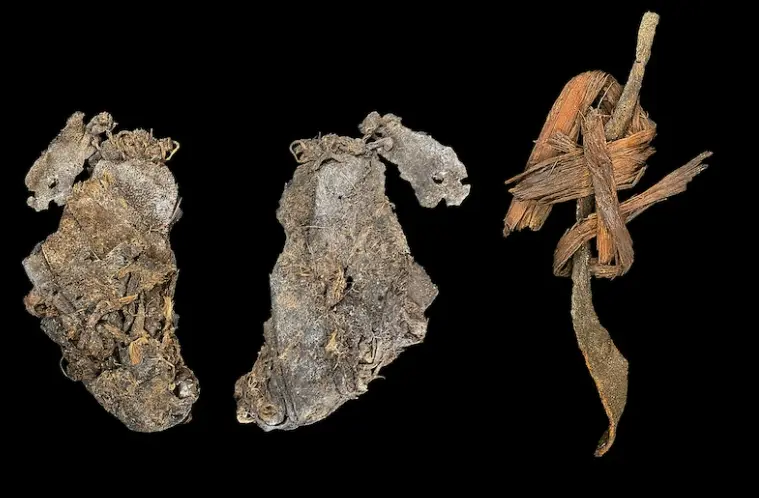
The discovery was made at Cougar Mountain Cave, a dry rock shelter in Oregon, where two small pieces of leather were found bound together with a cord. According to researchers, this stitched leather may represent the earliest physical remains of real clothing, dating back approximately 12,400 years.
Preserved Organic Finds from the Late Pleistocene
The stitched leather fragments were found alongside other fragile organic materials that rarely survive for such long periods. The research team, led by Richard Rosencrance of the University of Nevada and Katelyn McDonough of the University of Oregon, reported their findings in the journal Science Advances.
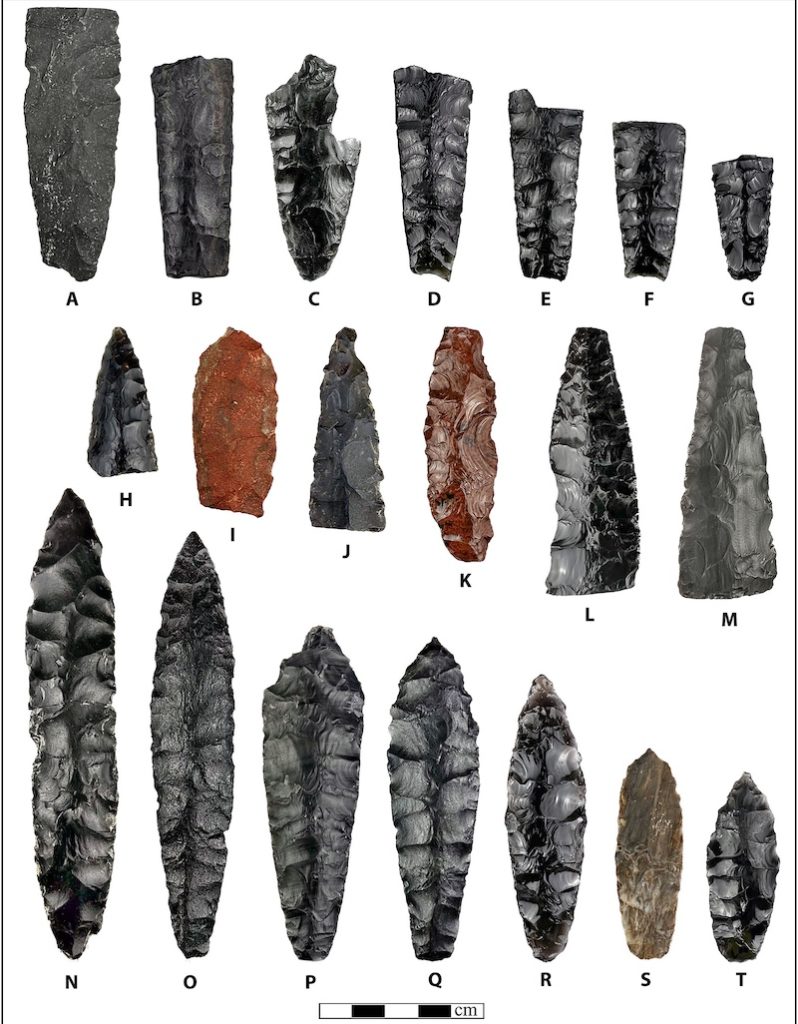
Nearby Paisley Caves also yielded important evidence of prehistoric tailoring, including a processed strip of rabbit hide. Researchers noted strong similarities between this artifact and rabbit-fur skirts used by the Northern Paiute people until recent times, suggesting a cultural tradition that may stretch back to the Paleolithic era.
Why Sewing Matters for Human Evolution
While archaeologists have long assumed that early modern humans wore tailored clothing, direct evidence had never been found. Fire alone could not protect people from freezing northern climates. The ability to sew hides together would have been essential for survival as humans expanded into colder regions.
The Cougar Mountain discovery may finally provide proof of how Homo sapiens succeeded where other human species, such as Neanderthals and Denisovans, did not. Although these groups lived in cold environments, they rarely ventured far beyond the southern edges of ice sheets.
Life During the Younger Dryas Cold Period
The stitched leather dates to the Younger Dryas, a period between roughly 12,900 and 11,700 years ago when global temperatures dropped sharply. In Greenland, temperatures may have fallen by as much as 10°C for nearly a thousand years.
Researchers believe that the Paleo-Oregonians living in Cougar Mountain Cave needed well-fitted, layered clothing to survive these harsh conditions. Although scientists cannot yet determine whether the stitched leather belonged to a coat, a moccasin-like shoe, or even a tent, the presence of needles, cords, and fibers strongly supports the sewing hypothesis.
Advanced Skills Brought from the Old World
According to Rosencrance, the discovery is exciting but not entirely surprising. Humans who arrived in North America around 15,000 years ago likely brought advanced skills with them, including sewing, fiber twisting, and possibly even early dog domestication.
Similar technologies existed much earlier in the Old World. Rope-like fibers dated to 50,000 years ago have been found in France and are believed to have been made by Neanderthals. Comparable finds from Ohalo II near the Sea of Galilee date back around 20,000 years.
At Cougar Mountain, the largest category of organic artifacts consists of plant-fiber cords, produced in various thicknesses and qualities, suggesting multiple practical uses.
Bone Needles and Prehistoric Tailoring
Supporting the sewing theory, bone needles have been found at four prehistoric Oregon sites dating to the same period. Rosencrance emphasizes that these needles are among the finest examples of Late Pleistocene needle craftsmanship in North America.
Similar bone needles have also been discovered at Denisova Cave in Siberia, dating back at least 50,000 years, and in European contexts around 15,000 years old.
Rabbit Hunting and Community Life
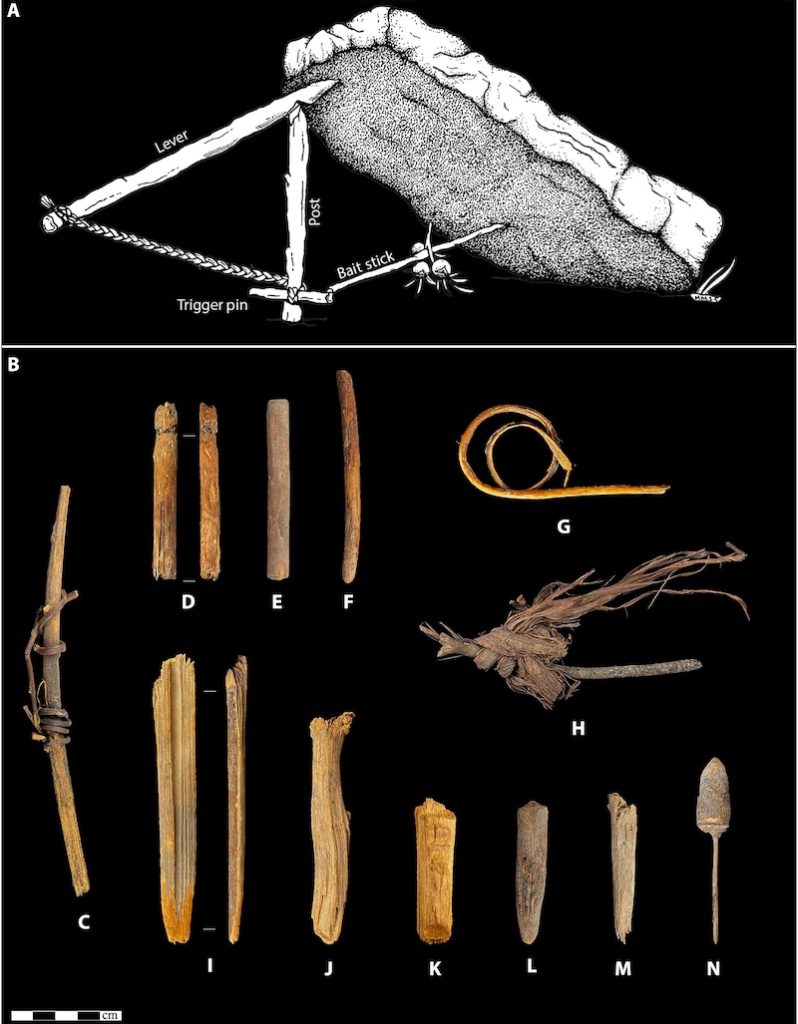
The inhabitants of Cougar Mountain and Paisley Caves hunted both large and small animals, with a strong focus on rabbits. Evidence suggests the use of drop traps, nets, and possibly throwing weapons like atlatls or non-returning boomerang-like sticks.
At two nearby sites, archaeologists identified massive fire pits containing more than 14,000 rabbit bones, pointing to large-scale communal rabbit drives. This practice closely resembles traditions observed among Indigenous communities in the region until European contact.
Rosencrance explains that rabbit drives were social events, supplying both food and fur while reinforcing community cooperation. Traps, on the other hand, were likely used for daily hunting needs.
A Breakthrough in Understanding Cold Survival
Ultimately, Oregon ancient sewing evidence provides rare, tangible proof of how early humans adapted to brutal Ice Age environments. These fragile artifacts help answer a long-standing question: how our species managed to thrive in climates that defeated every other human lineage.
As further analysis continues, this discovery may redefine the timeline of clothing, technology, and survival strategies in early human history.
Leave a Reply