James
James
Grossglockner death case developments are now moving into the courtroom, as Austrian prosecutors prepare to try a climber accused of abandoning his girlfriend during a fatal ascent of the country’s highest mountain. The case has sparked widespread debate across Austria and beyond, raising serious questions about responsibility, experience, and decision-making in extreme alpine conditions.
The victim, 33-year-old Kerstin G., died from hypothermia during a winter climb of Grossglockner, which rises 3,798 meters above sea level. Her boyfriend, identified in Austrian media as Thomas P., is now facing charges of causing death through gross negligence.
Prosecutors allege that Thomas P., an experienced high-altitude climber, left Kerstin G. exhausted and unprotected near the summit during a violent winter storm and failed to seek timely rescue assistance. If convicted, he could face up to three years in prison.
The Fatal Climb on Austria’s Tallest Mountain
The tragic events unfolded during the night of January 18–19, 2025, as the couple attempted a winter ascent of Grossglockner under rapidly deteriorating weather conditions. According to investigators, the pair began their climb too late in the day, despite forecasts warning of extreme cold, strong winds, and limited visibility.
Grossglockner is known as one of the most challenging alpine peaks in Central Europe, particularly during winter. Temperatures can plunge well below freezing, and wind speeds near the summit frequently exceed hurricane-force levels.
On the night in question, prosecutors say wind speeds reached up to 74 kilometers per hour. The air temperature dropped to minus 8 degrees Celsius, while the wind chill made it feel closer to minus 20.
Despite these conditions, the couple continued upward.
Prosecutors: “He Was the Responsible Leader”
A key element of the Grossglockner death case is the role prosecutors believe Thomas P. played during the climb. According to the Innsbruck public prosecutor’s office, he was not simply a companion but the de facto leader of the expedition.
Authorities argue that Thomas P. had extensive experience in high-altitude alpine touring, particularly in winter conditions, while Kerstin G. did not. Investigators claim she had never previously attempted a climb of comparable length, altitude, or technical difficulty.
Because he planned the route and possessed superior experience, prosecutors say he bore a heightened duty of care toward his partner.
In support of this argument, prosecutors released a list of nine alleged mistakes made by Thomas P., beginning with the decision to proceed with the climb at all.
Alleged Planning and Equipment Failures
Among the most serious accusations is the claim that the couple set off nearly two hours later than recommended for a winter ascent. This delay meant they were still on the mountain well after nightfall, dramatically increasing risk.
Prosecutors also allege that the pair did not carry sufficient emergency bivouac equipment. According to the indictment, they lacked adequate gear that would have allowed Kerstin G. to shelter from the cold if she became immobilized.
Another point of contention is footwear. Authorities claim Kerstin G. was wearing soft snowboard boots, which are considered unsuitable for high-altitude ski touring in extreme winter conditions. Prosecutors argue that Thomas P. allowed this despite knowing the risks.
The defendant strongly disputes these claims.
Defense: “A Tragic Accident, Not a Crime”
Thomas P. denies all charges. His lawyer, Karl Jelinek, has described Kerstin G.’s death as a tragic accident rather than the result of criminal negligence.
According to the defense, the couple planned the climb together and both believed they were sufficiently experienced, physically fit, and well-equipped.
“They saw themselves as adequately prepared for this tour,” Jelinek said. “Both had alpine experience, and both were in very good physical condition.”
The defense also rejects the claim that Thomas P. acted as a guide or leader. Instead, they insist the pair were equal partners who made joint decisions throughout the ascent.
The Point of No Return
One of the most critical moments highlighted in court documents is the couple’s arrival at a location known as Frühstücksplatz at approximately 13:30 on January 18. This area is widely recognized by mountaineers as the last realistic point at which climbers can safely turn back before committing to the summit.
According to the defense, both climbers felt strong and showed no signs of exhaustion at this stage.
“They were neither tired nor overwhelmed, so they continued,” Jelinek said.
Prosecutors, however, argue that this decision ignored worsening weather conditions and demonstrated poor judgment, particularly given Kerstin G.’s limited experience.
Webcam Footage Becomes Key Evidence
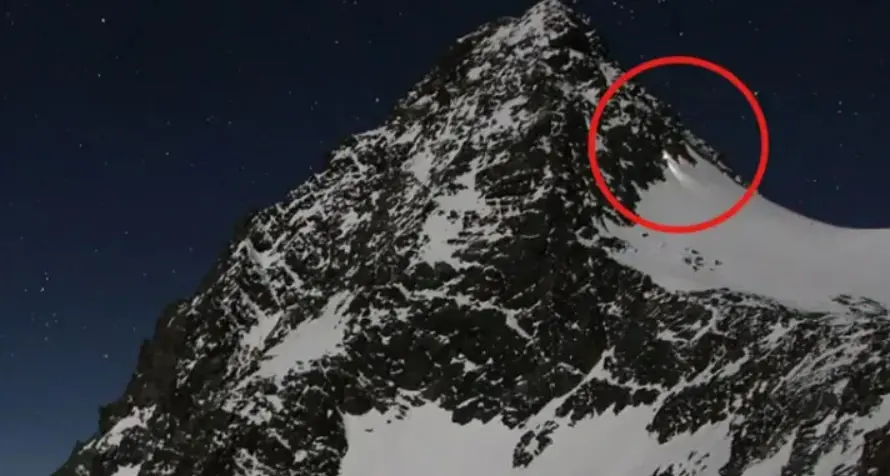
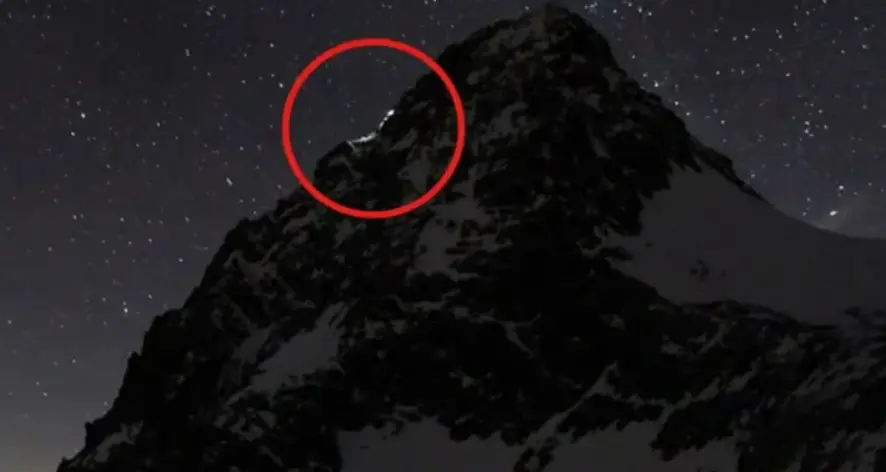
One of the most striking elements of the Grossglockner death case is the presence of webcam footage from the mountain.
Images recorded by a high-altitude webcam show two small lights—believed to be the climbers’ headlamps—continuing upward around 21:00 on January 18. Later footage allegedly shows a single figure descending with a torch-like light.
Prosecutors say this footage supports their claim that Thomas P. abandoned his girlfriend near the summit during the early hours of January 19.
The defense does not dispute the authenticity of the footage but contests its interpretation.
The Night Everything Changed
According to the defense, the situation deteriorated rapidly after 21:00. Kerstin G. reportedly began showing sudden signs of extreme fatigue, at a point when turning back had become nearly impossible due to terrain and weather.
By this stage, the pair were within approximately 40 meters of the summit cross.
Prosecutors allege that around 02:00, Thomas P. left Kerstin G. alone in the snow to descend the mountain and seek help. They claim he failed to use aluminum emergency blankets or other protective equipment to shield her from the cold.
The defense argues that he had no realistic way to save her alone and that descending to call for help was the only option left.
Delayed Emergency Response Under Scrutiny
Another major point of contention is the timeline of emergency calls.
Thomas P. contacted mountain police at approximately 00:35 on January 19. While the contents of that call remain unclear, his lawyer maintains that he requested assistance.
Police, however, claim that Thomas P. later silenced his phone and failed to answer repeated return calls. Prosecutors also allege that when a police helicopter passed overhead at around 22:50 earlier in the night, no distress signals were sent.
Due to violent winds, a helicopter rescue was deemed impossible throughout the night.
By morning, Kerstin G. had died alone in the snow.
A Case With Wider Implications
The Grossglockner death case has ignited national debate in Austria about responsibility in recreational mountaineering. Legal experts say the trial could set an important precedent regarding when a climbing partner’s actions cross the line from tragic error into criminal negligence.
Mountain rescue organizations have also weighed in, emphasizing the importance of early turnarounds, proper equipment, and realistic assessments of experience—especially during winter ascents.
Grossglockner claims several lives each year, but criminal trials following mountaineering deaths remain rare.
What Happens Next
If found guilty, Thomas P. faces a prison sentence of up to three years. The trial is expected to focus heavily on expert testimony regarding alpine safety standards, weather interpretation, and decision-making under extreme stress.
For now, the death of Kerstin G. stands as a stark reminder of how quickly conditions can turn deadly in the high Alps—and how fine the line can be between adventure and catastrophe.