James
James
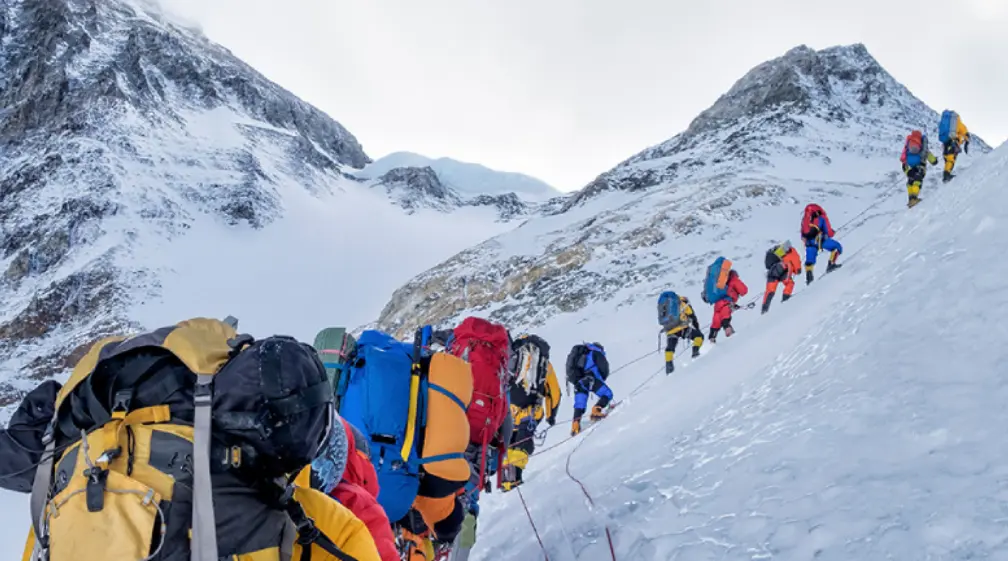
Mount Everest climbing rules are set to undergo a major transformation as Nepal moves forward with new legislation designed to improve safety, reduce environmental damage, and limit the growing number of medical emergencies on the world’s highest mountain.
Standing at more than 8,800 meters above sea level, Mount Everest has long been considered the ultimate challenge for mountaineers. Every year, hundreds of climbers from around the world travel to Nepal hoping to reach its summit. But with increased traffic, rising fatalities, and visible environmental damage, authorities are now taking decisive steps to change how access to the peak is managed.
A Push for Experience-Based Access
Under the proposed law, climbers would no longer be able to apply for an Everest permit without proving prior high-altitude experience. Specifically, applicants would need to show evidence that they have already summited at least one mountain in Nepal higher than 7,000 meters.
Officials believe this requirement will filter out inexperienced climbers who may underestimate the physical and mental toll of Everest. The climb from base camp to the summit can take around 70 days and exposes mountaineers to extreme cold, low oxygen levels, avalanches, and sudden weather changes.
By limiting access to those with proven experience, the government hopes to reduce accidents that often put both climbers and rescue teams at risk.
Mandatory Health Checks to Reduce Emergencies
Another major part of the new Mount Everest climbing rules focuses on health and fitness. Climbers would be required to submit a recent medical certificate confirming they are physically capable of handling extreme altitude conditions.
High-altitude sickness remains one of the most common causes of emergencies on Everest. In many cases, rescue operations are dangerous, expensive, and sometimes impossible due to weather or terrain.
Authorities say stricter health screening could significantly lower the number of emergency evacuations and fatalities during the climbing season.
Detailed Applications and Greater Oversight
If the bill becomes law, all climbers would need to submit their applications to Nepal’s Department of Tourism well before their expedition begins. These applications would include:
- A detailed mountaineering plan
- Proof of prior climbing experience
- Medical clearance documents
- Required permit fees and supporting paperwork
The Department of Tourism would also gain expanded authority to reject applications if officials believe a climber poses a safety risk to themselves or others.
This shift marks a move away from the long-criticized “pay-to-climb” system that allowed almost anyone with sufficient funds to attempt Everest, regardless of experience.
Environmental Protection Takes Center Stage
Environmental damage has become one of the most visible problems on Everest. Abandoned oxygen bottles, torn tents, food packaging, and even human waste have accumulated along popular routes to the summit.
Since 2014, Nepal has required climbers to bring back at least eight kilograms of solid waste from above base camp. Those who failed to comply risked losing a refundable deposit of around $4,000.
Under the new proposal, that deposit could be converted into a non-refundable environmental fee. The funds would be used directly for conservation, waste removal, and cleanup operations on the mountain.
Officials hope this change will provide a steady source of funding to tackle pollution while discouraging careless behavior.
New Funds for Workers and Support Staff
The proposed legislation also includes the creation of two new initiatives:
Environment Protection Fund
This fund would focus entirely on reducing pollution, managing waste, and protecting fragile mountain ecosystems affected by heavy tourism.
Mountaineers’ Welfare Fund
This fund would support Sherpas, guides, porters, and other high-altitude workers who face serious risks every climbing season. It could be used for insurance, emergency aid, and long-term support for families affected by accidents.
Sherpas, in particular, are often exposed to the most dangerous parts of the climb while earning far less recognition than foreign climbers.
Clarifying Responsibility During Emergencies
Another important update in the Mount Everest climbing rules addresses legal responsibility during emergencies. The bill aims to clearly define who is accountable when climbers go missing or require rescue.
It also standardizes the legal timeline for declaring a missing climber dead, setting it at one year. This clarification could help families, insurance companies, and authorities navigate difficult situations more clearly.
A Response to Rising Death Toll
According to data cited by international outdoor publications, more than 300 people are believed to have died on Everest. In recent years, the numbers have remained concerning, with multiple deaths reported each climbing season.
Crowding near the summit, often referred to as the “death zone,” has drawn global criticism. Long queues at extreme altitude can leave climbers exposed for hours with dangerously low oxygen levels.
Nepalese officials argue that stricter rules are necessary to protect lives and preserve Everest for future generations.
Legislative Timeline and What Comes Next
The bill has already been unanimously approved by Nepal’s upper house. It is expected to move to the lower house once it reconvenes, following national elections scheduled for March.
If passed, the law could take several months to come into force. However, officials describe it as one of the most comprehensive overhauls of Nepal’s mountaineering regulations in decades.
A Turning Point for Everest Climbing
For years, critics have warned that Everest was becoming overcrowded and unsafe. Supporters of the new Mount Everest climbing rules say the changes represent a long-overdue correction.
While the stricter requirements may reduce the number of climbers each season, authorities believe the trade-off will be worth it: fewer deaths, less pollution, and a more sustainable future for the world’s most famous mountain.
As Nepal balances tourism revenue with safety and environmental responsibility, Everest may soon enter a new era—one where experience, preparation, and respect for nature matter more than ever.