admin
admin
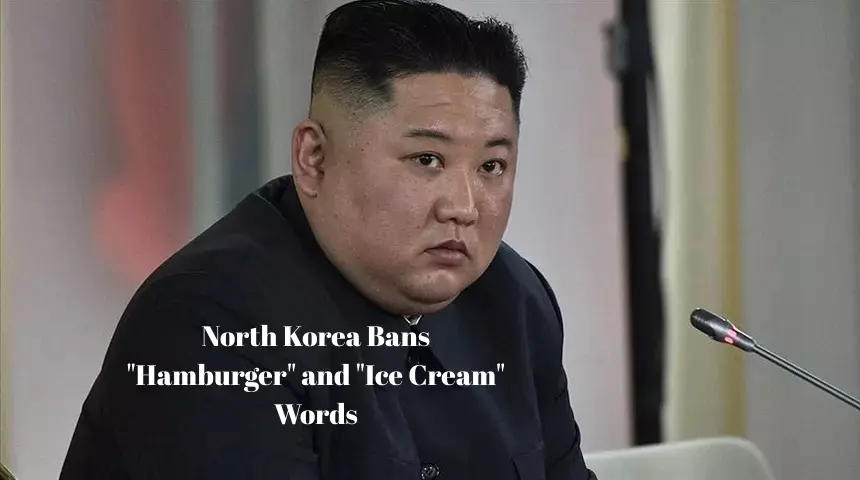
In a newly surfaced directive, North Korean leader Kim Jong-un has added another unusual restriction to his country’s long list of bans. Following previous prohibitions such as sausage consumption and divorce penalties, the regime now targets words commonly used by tour guides for foreign visitors.
According to reports that went viral on social media, North Korean authorities instructed tour guides not to use the words “hamburger” and “ice cream” when explaining local attractions to tourists.
Alternative Terms for Western Foods
The directive reportedly included specific replacement terms for these words:
- Instead of “hamburger,” guides should use “dajin-gogi gyeopppang”, which translates to “minced meat double bread.”
- Instead of “ice cream,” the word “eseukimo” (Eskimo) should be used.
This move comes amid increasing attention from social media and international tourists, sparking discussions about the strict control over language and cultural references in North Korea.
Previous Food and Lifestyle Restrictions
Kim Jong-un’s administration has previously imposed strict bans, including:
- Sausage consumption – reportedly considered “unpatriotic” due to its association with South Korean and American cuisine.
- Divorce penalties – divorced individuals could face imprisonment, particularly women, who reportedly receive harsher treatment in labor camps.
According to The Sun, the sausage ban was enforced as a measure against Western influence, with violators potentially sent to notorious labor camps for harsh work penalties.
Social Media Reaction
The announcement quickly became a trending topic on platforms such as Twitter and Reddit, with users expressing disbelief over the unusual restrictions. Many commenters drew attention to the growing list of odd prohibitions in North Korea, highlighting the leader’s extensive control over both daily life and language.
The Broader Context of North Korean Restrictions
North Korea is known for its strict governance and unique bans, ranging from media censorship to lifestyle regulations. This latest action demonstrates:
- The regime’s attention to cultural influence: Western foods and terminology are increasingly viewed as threats to state ideology.
- The meticulous control over communication: Even tour guides are monitored for language use.
Experts note that these policies are part of a broader pattern of symbolic resistance against foreign influence, especially from the United States and South Korea.
Read more