James
James
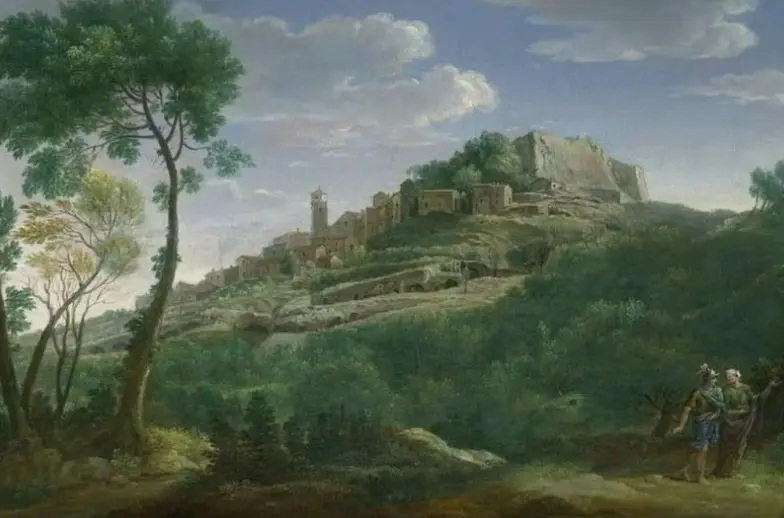
The Trojan War holds a truly significant place in history; this war took place within the borders of present-day Çanakkale.
Trojan peace is rarely the first idea that comes to mind when Troy is mentioned. Popular memory immediately turns to epic war, heroic duels, burning walls, and a city destroyed in a single night. Yet the true wonder of Troy may not lie in how it fell—but in how it endured for centuries through quiet stability, cooperation, and resilience.
Imagine a city that flourished for thousands of years. Streets filled with workshops and marketplaces, voices of traders calling out their goods, the steady rhythm of craft production, and children running along sun-warmed paths. A city remembered today almost entirely for one catastrophic moment, yet defined far more by long periods of continuity. This was Troy.
Long before epic poetry fixed its fate in cultural memory, Troy was a living coastal hub shaped by everyday labor and shared practices. Potters produced vessels that traveled far beyond the settlement, bronze workers shaped tools in busy workshops, and merchants connected Troy to distant regions. This was the city’s real heartbeat—largely forgotten beneath the shadow of destruction.
Beyond Homer’s Epic Lens
The late 8th-century BCE epics of Homer, the Iliad and the Odyssey, engraved unforgettable images into Western cultural memory: clashing heroes, a giant wooden horse, and flames lighting the night sky. But this dramatic ending obscures a far more remarkable reality—a long history of social cooperation that might be called the Trojan peace.
This selective memory is not unique to Troy. History often favors collapse over continuity. Rome burning in 64 CE, Carthage destroyed in 146 BCE, or Tenochtitlán falling in 1521—sudden catastrophes dominate how we imagine the past. Stability, by contrast, is fragile, slow, and easy to overlook.
Yet peace does not mean the absence of tension or inequality. It means managing pressure without collapse—absorbing conflict through routine cooperation rather than dramatic intervention.
When Disaster Speaks Louder Than Stability
Archaeology tends to speak loudest when something goes terribly wrong. Fires freeze moments in time, preserving destruction as physical evidence. Peace leaves no single dramatic trace. Its marks are subtle: pathways smoothed by generations of footsteps, vessels repaired and reused for decades, tools passed down and adapted.
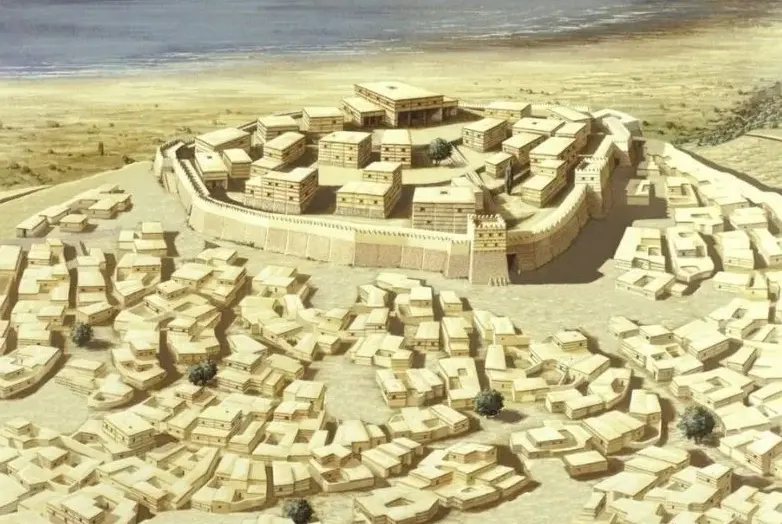
At Troy, archaeologists have identified nine major occupation layers. These layers are often misunderstood as evidence of repeated destruction. In reality, they reflect everyday cycles of building, maintenance, adaptation, and renewal—life continuing rather than constantly collapsing.
The archaeological record of Troy documents centuries of architectural continuity, stable coastal settlement, and wide-ranging trade networks stretching from Mesopotamia to the Aegean and the Balkans. Massive destruction traces appear only rarely, notably around 2350 BCE. Within Troy’s long history, such events are exceptions—not the rule.
Crises, whether caused by conflict, social tension, or accident, disrupted daily life only temporarily. The legendary Trojan War narrative emerged more than a thousand years after these early upheavals. So what truly held the city together for so long?
Cooperation as the Engine of Survival
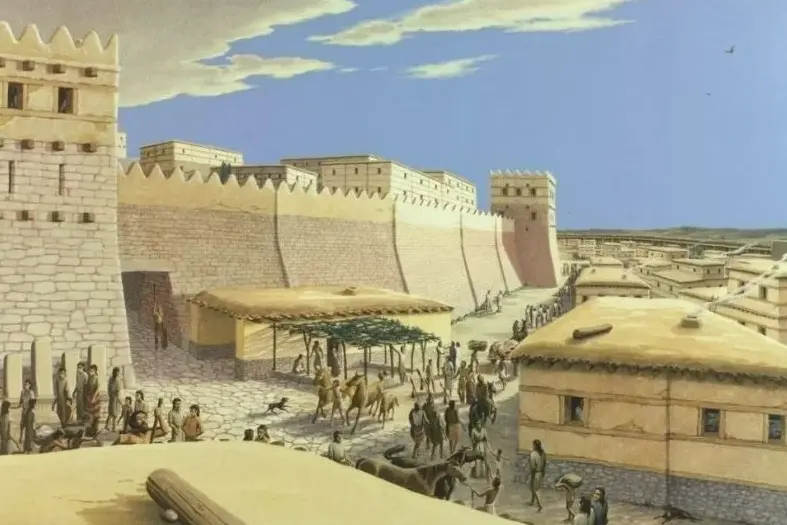
During the 3rd and 2nd millennia BCE, Troy functioned as a modest yet highly connected coastal center. Its strength came not from conquest but from exchange—barter, craft specialization, shared material traditions, and the steady movement of goods and ideas.
The driving force of Bronze Age Troy was ordinary people: households, artisans, traders. Their survival depended on coordination and reciprocity—managing water and farmland, organizing production, securing bronze resources, and negotiating coastal mobility. In modern terms, Trojan peace was a daily labor: continuously negotiated, collectively maintained, and never guaranteed.
When crises arose, the community adapted. Labor was reorganized, resources redistributed, routines adjusted. Stability was restored not through force, but through collective problem-solving embedded in daily practice.
This was no utopia. Troy faced environmental limits, population pressure, and scarce resources. Prosperity could vanish after a failed harvest or disrupted trade season. Peace here did not mean eliminating conflict—it meant preventing pressure from turning into collapse.
Archaeologically, this long-term balance appears as persistence: settlement plans maintained across generations, skills refined and passed down, and gradual expansion from citadel to lower city. Growth came through negotiation, not domination.
Why Do We Remember War?
Stories favor rupture over routine. The Iliad was never meant as a historical report—it was a poetic reflection on heroism, power, loss, and morality. The long centuries of cooperation before and after the war were too subtle to dramatize.
Early archaeology was also drawn to epic narratives. Troy’s excavations began with the search for a legendary battlefield. Even as research deepened, the Trojan War retained its grip on public imagination. War offers clarity and drama; peace leaves behind complex, layered evidence that demands patience.
Reexamining Troy through the lens of Trojan peace shifts attention away from destruction toward endurance. Archaeology shows how societies without standing armies or written law codes sustained stability through everyday cooperation.
The true miracle of Troy is not how it fell—but how it lasted so long.