James
James
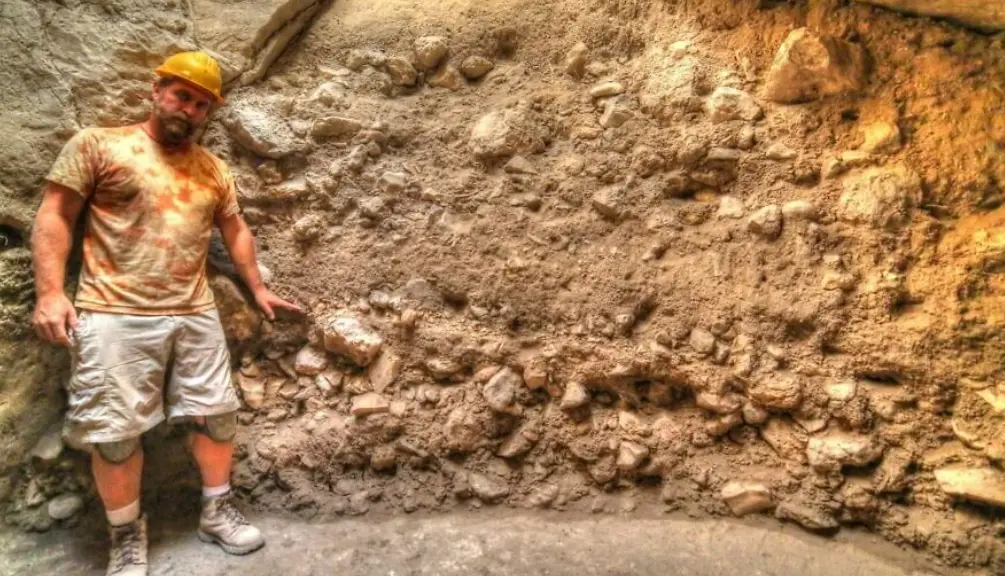
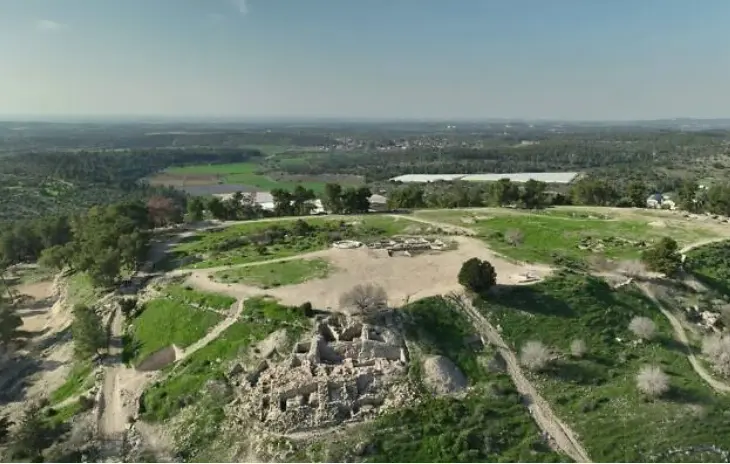
A team of researchers from Tel Aviv University has revealed the discovery of a large infant burial site dating back roughly 2,500 years. The remains were found at Tel Azekah, located about 30 kilometers southwest of Jerusalem.
The findings, published in the academic journal Palestine Exploration Quarterly in March 2026, detail what appears to be a mass burial of infants and very young children placed inside an ancient water reservoir.
What began as a routine excavation quickly turned into one of the most puzzling archaeological discoveries in the region.
A Shocking Discovery Beneath the Surface
The excavation, led by archaeologist Oded Lipschits, first uncovered the unusual site back in 2013. Initially, the team encountered expected artifacts—such as pottery used for drawing water.
But as they dug closer to the upper layers of the cistern, they began finding small bones scattered throughout the soil.
“At first, we didn’t fully understand what we were looking at,” Lipschits explained in interviews. “It took time before we realized this was something far more significant.”
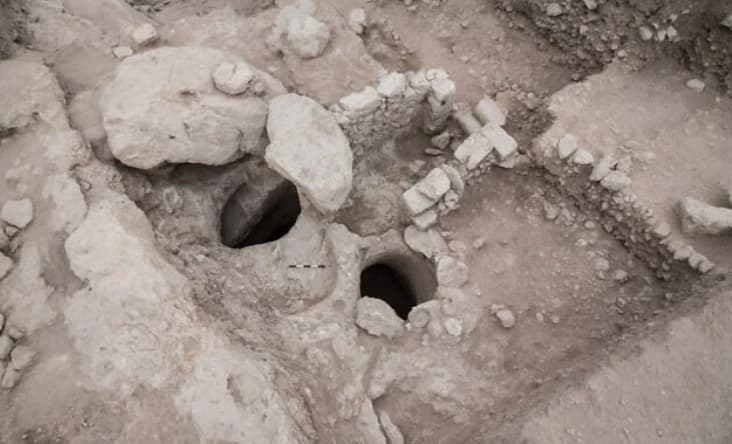
The reservoir, approximately two meters deep, had become a repository for human remains—most of them belonging to infants.
Dozens of Infants Identified
Further analysis revealed that the site contained the remains of at least 68 individuals, and possibly as many as 89. The overwhelming majority were very young children.
- Around 70% were under the age of two
- Approximately 90% were younger than five
The remains were not arranged as complete skeletons. Instead, bones were scattered throughout the deposit, suggesting the bodies had decomposed over time within the confined space.
Anthropologist Hila May, who contributed to the research, explained that such disarticulation is typical in infant remains due to the high cartilage content in their developing skeletons.
A Burial Practice Spanning a Century
One of the most striking aspects of the discovery is the timeline. Researchers believe the burials took place over roughly 100 years, between the 6th and 5th centuries BCE—during the early Persian period.
This suggests that the site was not used for a single catastrophic event, such as a plague or disaster, but rather served as a long-term burial location.
According to the researchers, this challenges common assumptions about mass graves, which are often associated with sudden, large-scale deaths.
Instead, the evidence points to a repeated, possibly ritualized practice involving infant burials.
Why Were Infants Buried Together?
The discovery may help solve a long-standing mystery in archaeology: the relative absence of infant remains in ancient cemeteries.
Experts have long noted that while adult burials from the Iron Age and Persian period are frequently found, infant graves are surprisingly rare.
Lipschits believes this site could provide an answer.
“It may be that infants were not buried in formal cemeteries,” he suggested. “Instead, they may have been placed in designated areas like this one.”
The high mortality rate among young children in ancient times likely played a significant role. In many societies, a large proportion of children did not survive beyond early childhood.
Even minor illnesses or injuries could prove fatal in an era without modern medicine.
No Evidence of Violence or Disease
Despite the large number of remains, researchers found no clear signs of violence.
There were also no indications of a disease outbreak affecting all the individuals at once. If such an event had occurred, it would likely have left detectable traces in the bones or shown a more concentrated timeline.
Instead, the gradual accumulation of remains supports the idea of natural causes of death over an extended period.
“This doesn’t look like a massacre or an epidemic,” May noted. “It appears to reflect everyday life—and death—in the ancient world.”
Cultural and Biblical Context
The findings also align with historical and biblical insights into how infants were perceived in ancient societies.
Texts from the period suggest that very young children, particularly those who had not yet been weaned, were not always considered full members of society in the same way as older children or adults.
For example, in the Hebrew Bible, figures like the prophet Samuel are only formally dedicated after being weaned—highlighting the cultural significance of early childhood survival.
Breastfeeding practices at the time often continued for several years, further emphasizing the transitional status of infants during this stage of life.
However, researchers stress that these practices should not be interpreted as a lack of parental care or affection.
“High infant mortality was a reality of life,” Lipschits explained. “But that doesn’t mean families didn’t care deeply for their children.”
Not a Case of Ritual Sacrifice
Another important conclusion from the study is what the site does not represent.
The researchers ruled out the possibility of ritual child sacrifice—a practice documented in some ancient cultures, including among the Phoenicians.
In such cases, remains are typically cremated and placed in specially prepared containers.
At Tel Azekah, however, the bodies showed no signs of burning, and the burials lacked the ceremonial features associated with sacrificial rituals.
A Site Rich in History
The location of the discovery adds another layer of significance.
Tel Azekah is a well-known archaeological site with a history spanning thousands of years. It dates back to the Early Bronze Age and is also mentioned in biblical narratives, including the story of David and Goliath.
Excavations at the site have uncovered evidence of continuous habitation, including homes, tools, and agricultural installations.
The water reservoir itself appears to have been used for centuries before being abandoned. After falling out of use, it was eventually repurposed as a burial site.
Scientific Methods Confirm Dating
To determine the age of the remains, researchers used a combination of techniques, including:
- Stratigraphic analysis (studying soil layers)
- Pottery dating
- Radiocarbon testing
These methods consistently pointed to the Persian period as the time of burial.
The clarity of the dating strengthens the study’s conclusions and provides a reliable framework for understanding the site’s historical context.
A Discovery That Raises New Questions
While the study offers valuable insights, many questions remain unanswered.
Why was this specific location chosen?
Were similar burial practices common in other settlements?
And what does this tell us about how ancient communities viewed infancy and death?
As researchers continue to analyze the findings, the site at Tel Azekah is expected to play a key role in reshaping our understanding of ancient burial customs.