James
James
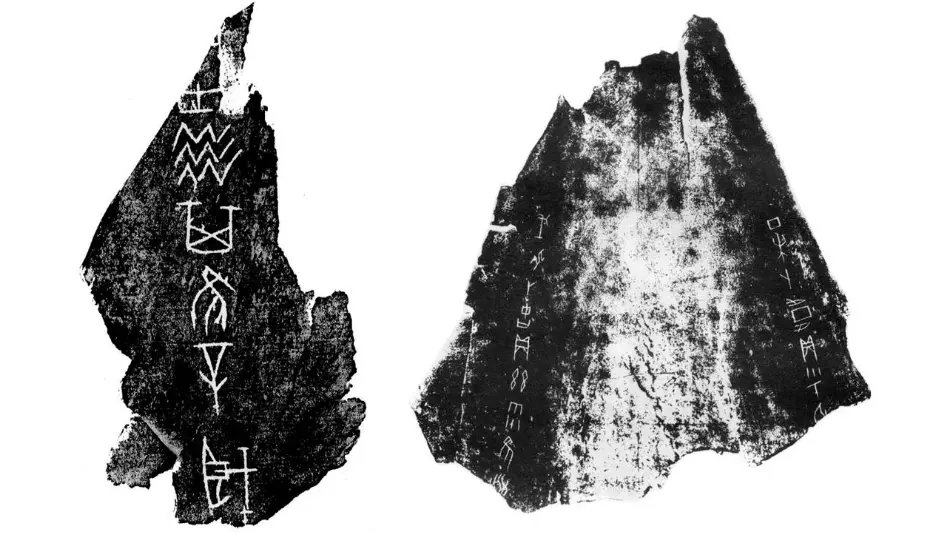
Oracle Bones Reveal Ancient Climate Disaster in China, offering new clues about how extreme weather may have triggered population decline and social upheaval nearly 3,000 years ago. A recent study suggests that powerful typhoons and the massive floods they caused could have played a major role in reshaping early Chinese societies.
The research, published on March 4 in the journal Science Advances, combines ancient inscriptions, archaeological findings, and climate modeling to better understand environmental changes in ancient China. According to the study, storms that originated along China’s coast may have carried intense rainfall far inland, leading to devastating floods in the Central Plains.
Scientists believe these extreme weather events may have coincided with a period of political instability and societal transition near the end of the Shang Dynasty.
Ancient Oracle Bones Provide Historical Evidence
One of the most fascinating sources used in the study is a collection of ancient inscriptions known as oracle bones. These artifacts, typically carved into turtle shells or ox shoulder blades, were used for divination during the Shang Dynasty.
Researchers analyzed more than 55,000 oracle bone inscriptions dating from approximately 1250 BCE to 1046 BCE. These texts represent some of the earliest written records in Chinese history.
By carefully studying the inscriptions, scientists discovered a noticeable increase in references to heavy rain and destructive floods during a specific period. These repeated mentions suggest that communities living in the Central Plains were increasingly worried about severe rainfall and rising water levels.
The growing concern recorded in these ancient texts may reflect real environmental pressures affecting everyday life at the time.
Flood Evidence Found in Ancient Settlements
The impact of extreme weather was not limited to the Shang Dynasty’s core region. Researchers also examined archaeological sites in the Chengdu Plain, where the ancient Shu Kingdom once flourished.
Excavations in this region uncovered several signs of flood damage. Scientists found remains of collapsed embankments, damaged structures, and sediment layers consistent with large-scale flooding events.
In addition, the number of archaeological settlements in the area appears to decline during the same period. Surviving settlements also show a pattern of shifting toward higher ground.
This suggests that ancient populations may have gradually relocated to elevated areas in order to escape repeated flooding.
Climate Models Point to Stronger Typhoons
To better understand the environmental conditions of the time, researchers used paleoclimate models to reconstruct ancient weather patterns.
The models indicate that northward-moving typhoons intensified between 1850 BCE and 1350 BCE, which may have increased rainfall and storm activity across the Central Plains. These storms likely transported large amounts of moisture from coastal regions deep into the interior of China.
A similar pattern appeared later as well. Climate simulations suggest that westward-moving typhoon systems became stronger between 850 BCE and 500 BCE, potentially affecting areas surrounding the Chengdu Plain.
Together, these findings support the idea that shifting storm patterns may have contributed to repeated flooding and environmental stress.
Climate Stress and Social Change
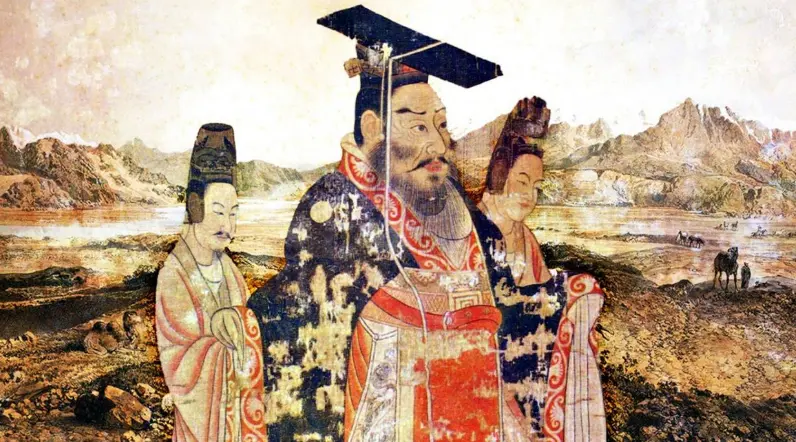
Historians have long debated why major social and political transformations occurred toward the end of the Shang Dynasty. While warfare, political conflict, and economic changes are often cited as factors, the new study highlights another possible influence: climate pressure.
Extreme weather events such as repeated floods could have disrupted agriculture, damaged infrastructure, and forced communities to relocate. Over time, these stresses may have weakened existing political systems and contributed to broader social changes.
The new research suggests that ancient societies were deeply connected to their environment, and that shifts in climate could shape history in powerful ways.
A New Perspective on Ancient Chinese History
The study demonstrates how combining ancient texts with modern scientific methods can reveal new insights about the past. Oracle bone inscriptions, once used to predict the future, are now helping scientists understand ancient climate events.
By analyzing these inscriptions alongside archaeological and climate data, researchers are building a clearer picture of how environmental forces affected early Chinese civilizations.
The findings remind us that climate has influenced human societies for thousands of years—and that ancient records can still offer valuable lessons for understanding the relationship between nature and civilization