James
James
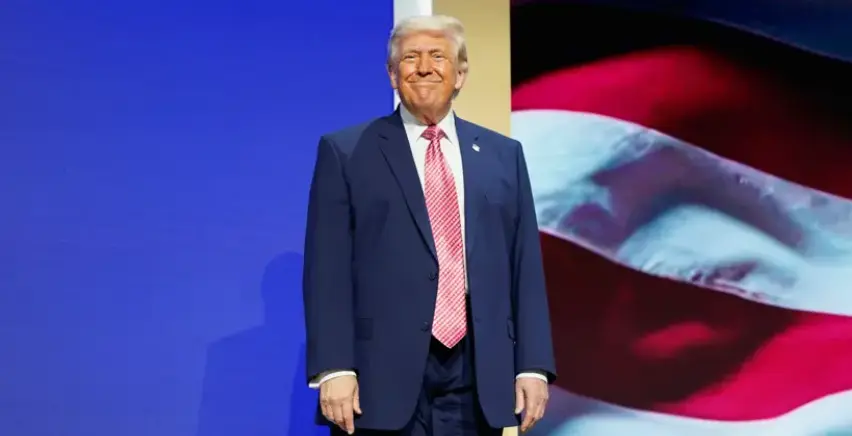
Trump Iran Targets became one of the most talked-about global issues after Donald Trump made a series of striking remarks regarding Iran, ongoing military operations, and future geopolitical plans. As the conflict enters its fourth week, statements from Washington and Tehran suggest that tensions remain high despite ongoing diplomatic signals.
Trump Claims Thousands of Targets Remain in Iran
Speaking at a major investment event in Miami, Trump stated that negotiations with Iran are now underway following what he described as “very strong strikes.” According to him, Iran had previously refused to negotiate but changed its position after recent military pressure.
Trump claimed that 3,554 targets remain in Iran, emphasizing that these could be “struck rapidly” if necessary. He also insisted that Iran must reopen the strategically vital Strait of Hormuz, a key passage for global oil shipments.
In a controversial moment, Trump even referred to the Strait as the “Trump Strait,” acknowledging that the comment might draw criticism but standing by his broader message.
Rubio: Operation Will End at the Right Time
Meanwhile, Marco Rubio provided a more measured tone, stating that the military operation in Iran would conclude “at the appropriate time.” He clarified that the timeline would not stretch into months, suggesting a shorter-term strategy.
Rubio also noted that there is currently no need for ground troops and confirmed that the United States is still waiting for a response from Iran regarding a proposed 15-point plan.
Possible Diplomatic Talks on the Horizon
Steve Witkoff indicated that a meeting with Iranian representatives could take place within the week. However, reports suggest that Tehran remains hesitant to respond formally due to ongoing attacks on infrastructure.
Despite diplomatic signals, both sides continue to exchange warnings, indicating that a resolution is not yet within reach.
Iran Responds with Missile Strikes
Iran retaliated against Israel with missile attacks targeting multiple areas around Tel Aviv. According to emergency services, at least one person was killed, and several regions experienced damage from missile fragments.
Iranian forces reportedly launched multi-warhead missiles, increasing the complexity of interception efforts by Israeli air defense systems.
Warnings to Industrial Zones and Civilians
The Islamic Revolutionary Guard Corps issued strong warnings following attacks on Iranian industrial facilities. The group called on workers in companies linked to the United States and Israel to evacuate immediately.
Civilians living near such facilities were also urged to move at least one kilometer away due to the risk of further strikes.
Uranium Facility Targeted in Airstrikes
Iran’s Atomic Energy Organization confirmed that a uranium processing facility in Yazd province was hit during joint US-Israeli airstrikes. Officials stated that no radioactive leakage occurred, and there is currently no risk to surrounding populations.
The facility plays a crucial role in producing uranium oxide, also known as “yellowcake,” which is an early stage in the nuclear fuel cycle.
Escalation Warnings Across the Region
Iranian officials, including Foreign Minister Abbas Araghchi, accused Israeli Prime Minister Benjamin Netanyahu of endangering American lives. Araghchi claimed that US resources and citizens were being used recklessly in the ongoing conflict.
Additionally, Iran warned that any attempt at a ground invasion would significantly expand the war.
Strait of Hormuz Crisis Deepens
Iran declared the Strait of Hormuz effectively closed and warned that any vessel attempting to pass through would face serious consequences. Several ships were reportedly turned back.
The country also announced restrictions on shipping activities linked to the United States and its allies, raising concerns about global energy supply chains.
Israel Signals More Strikes Ahead
Israel Katz confirmed that Israeli operations against Iran would intensify. He stated that attacks would expand to additional targets linked to weapons production and military infrastructure.
Israeli forces also reported eliminating several high-ranking Iranian commanders during recent operations.
Trump Mentions Cuba as Next Focus
In a surprising development, Trump extended his rhetoric beyond the Middle East, stating that “Cuba is next.” He argued that while peaceful strategies are preferred, military options may sometimes be necessary.
Trump also criticized NATO allies for failing to provide sufficient support during the conflict, claiming that the United States has historically contributed more to the alliance than it receives.
A Region on Edge
As indirect communications between Washington and Tehran continue, the situation on the ground remains volatile. Military actions, retaliatory strikes, and strong political statements are shaping a rapidly evolving crisis.
While officials on both sides hint at negotiations, the ongoing escalation suggests that a stable resolution may still be far off.