More stories

  • Ancient Skull Discovery in China
    in

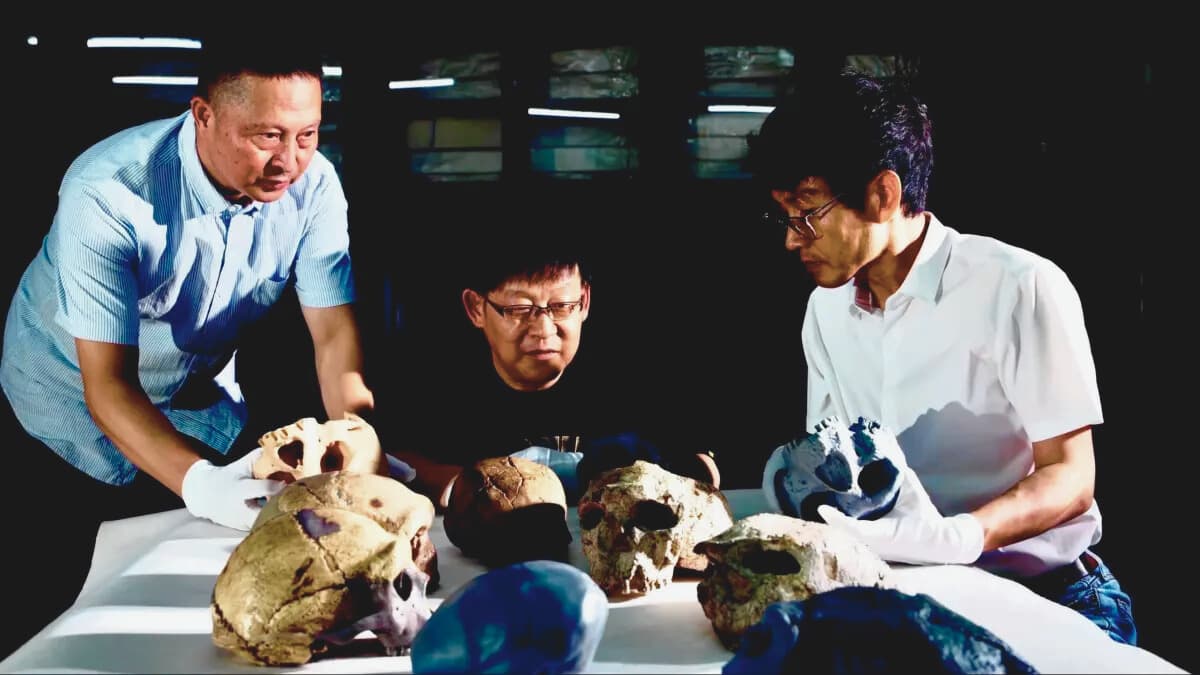
    Ancient Skull Discovery in China Could Rewrite Human Evolution Timeline

    A Million-Year-Old Skull Shocks the Scientific Community A groundbreaking discovery in China may force scientists to rethink the timeline of human evolution. The fossil, known as Yunxian 2, is believed to be over one million years old. According to a joint research team from Fudan University (China) and the Natural History Museum in London, the […] More
  • Ancient Saber-Toothed Tiger Fossil Discovered in Kayseri: 7.7 Million Years Old
    in

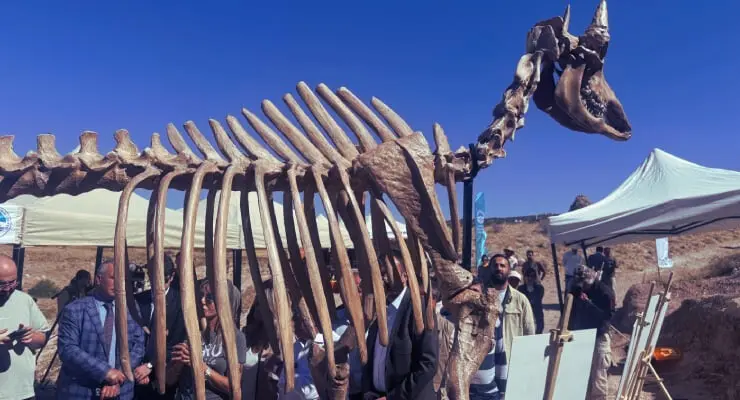
    Ancient Saber-Toothed Tiger Fossil Discovered in Kayseri: 7.7 Million Years Old

    Kayseri, Turkey – Archaeological Discovery of a LifetimeIn a groundbreaking discovery near the Yamula Dam in Kayseri, researchers have uncovered a 7.7-million-year-old saber-toothed tiger fossil, offering a rare glimpse into the fauna of the Late Miocene era. Fossil Findings in the RegionThe excavation site has previously yielded a variety of significant fossils, including ancestors of […] More

  • Rediscovery of a 1,800-Year-Old Stadium in Ancient Syedra
    in

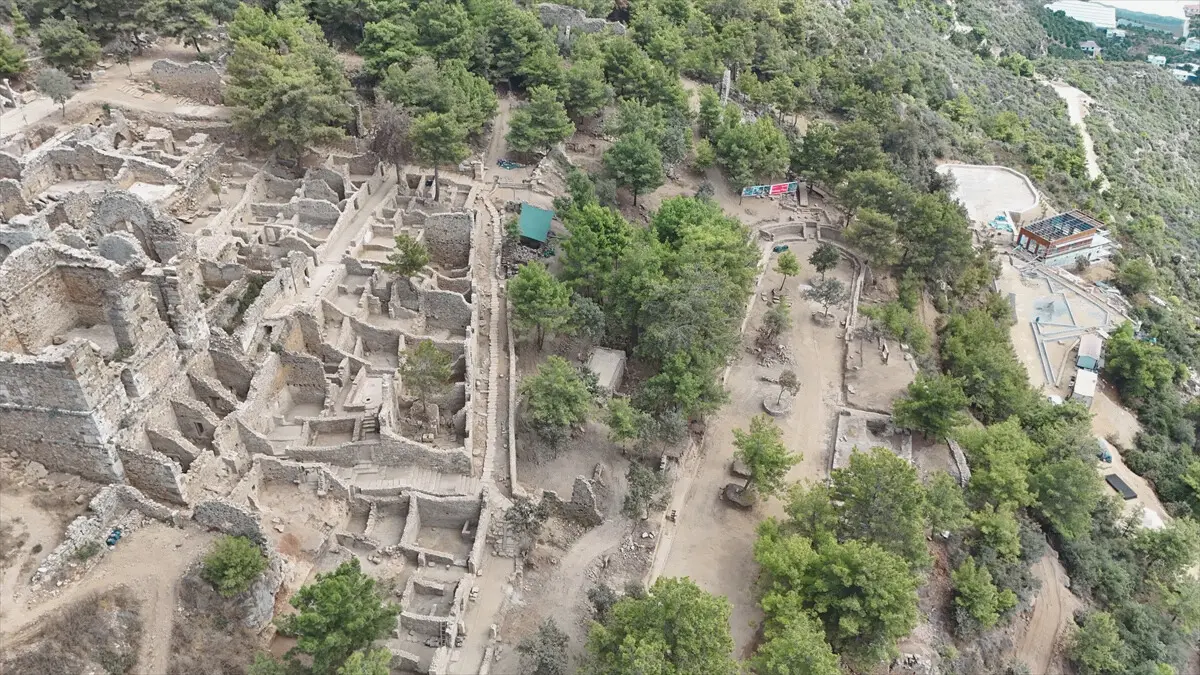
    Rediscovery of a 1,800-Year-Old Stadium in Ancient Syedra

    A Forgotten Gem in the Ancient City of Syedra Archaeologists have uncovered the remains of a 1,800-year-old stadium in the ancient city of Syedra, located near Alanya, Turkey. This remarkable find is part of the Ministry of Culture and Tourism’s “Heritage for the Future Project”, which continues to shed light on the rich past of […] More

  • Bull-Headed Altar Unearthed
    in

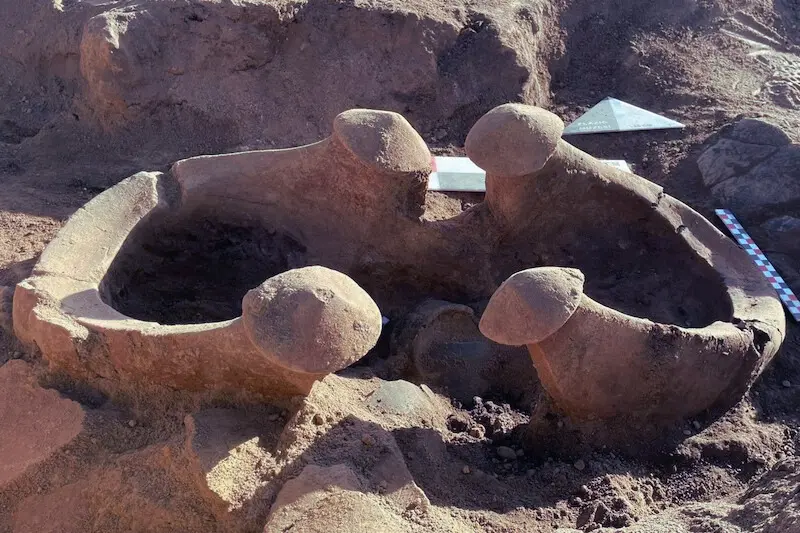
    6,000-Year-Old Bull-Headed Altar Unearthed in Elazıg

    An Extraordinary Discovery at Tadım Fortress and Mound Archaeologists working at the Tadım Fortress and Höyük (mound) in Elazıg, Türkiye, have unearthed a 6,000-year-old bull-headed altar, offering new insights into the religious practices of prehistoric Anatolia. The massive altar, measuring 160×130 cm, was discovered in situ (undisturbed in its original context) during the 2025 excavation […] More

  • Uncovering Neanderthal Diet
    in

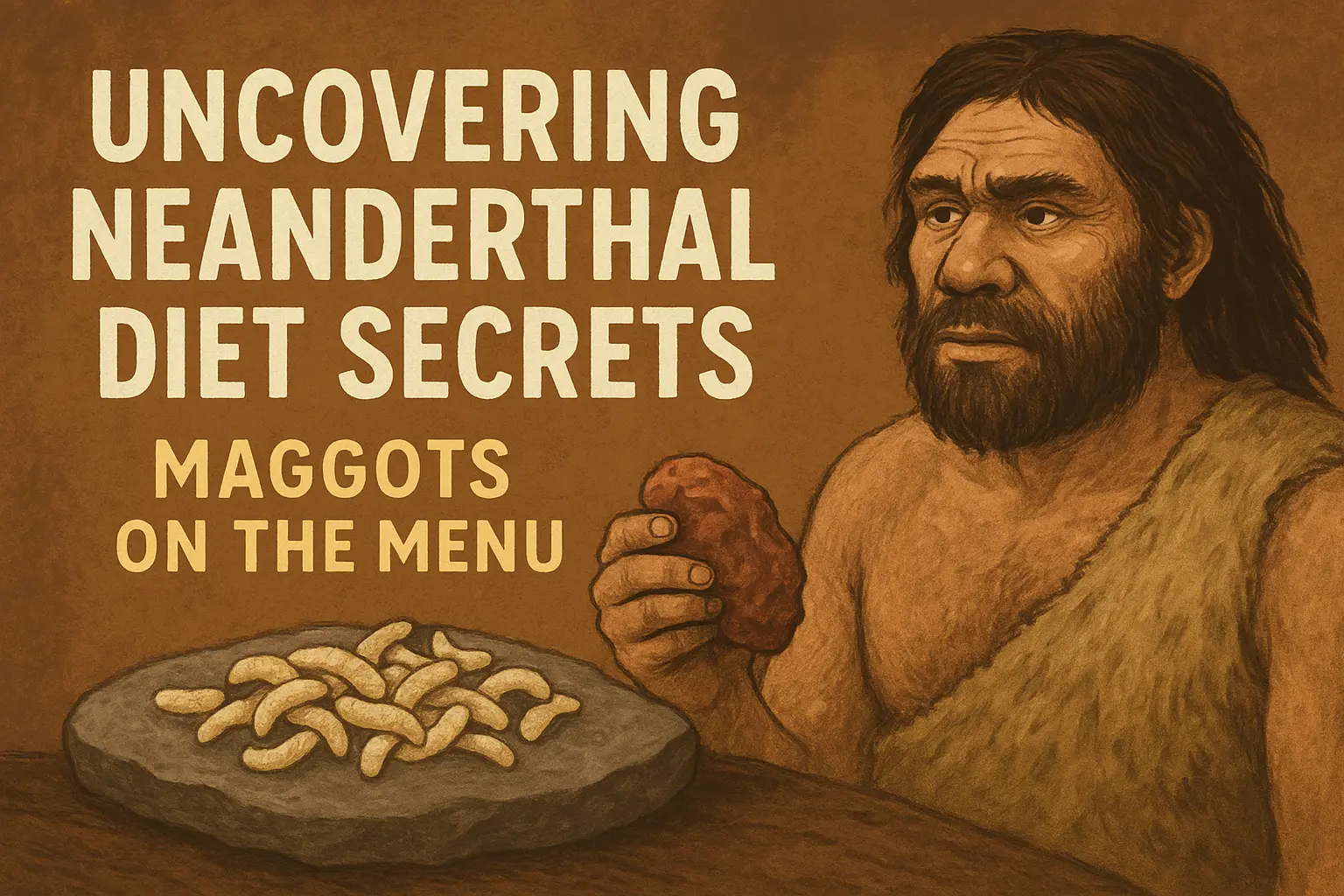
    Uncovering Neanderthal Diet Secrets: Maggots on the Menu

    For decades, the prevailing image of Neanderthals depicted them as hyper-carnivorous apex predators, consuming massive quantities of meat while competing with cave lions and saber-toothed cats. However, recent studies challenge this long-held notion, revealing a more complex, opportunistic diet in which maggots and decaying meat played a surprisingly important role. Rethinking the Neanderthal Menu Traditional […] More

  • Indus Script
    in

    $1 Million Reward Offered to Decipher the Indus Script: A Message Through Time

    The Indus Valley Civilization, which once flourished across modern-day Pakistan and India, is renowned for its advanced urban planning, trade networks, and craftsmanship. Yet, one of its greatest mysteries remains unsolved: the Indus script, a writing system that continues to elude linguists, historians, and even cutting-edge AI technology. Now, a $1 million reward has been […] More

  • 4,000-Year-Old Musical Instrument Discovered in Oman
    in

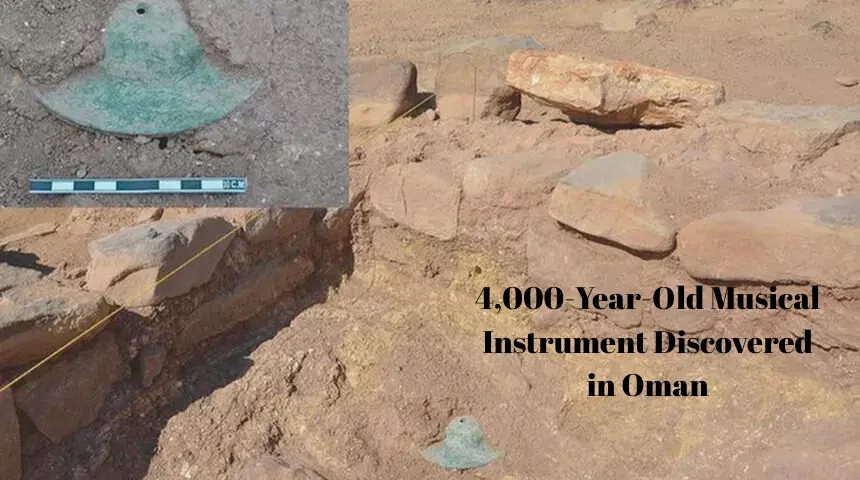
    4,000-Year-Old Musical Instrument Discovered in Oman

    In the silent lands of southeastern Oman, an archaeological excavation has uncovered a sound from the depths of history. Buried in the Dahwa region, two seemingly ordinary bronze discs were identified as parts of a rare musical instrument dating back approximately 4,000 years. This remarkable discovery provides new insights into ancient ritual life and cultural […] More

  • Unearthing 160 Children’s Skeletons at İnkaya
    in

    Unearthing 160 Children’s Skeletons at İnkaya: A Byzantine-Era Cemetery in Diyarbakır

    Archaeological excavations in Diyarbakır’s Kulp district have revealed one of the most striking discoveries in recent years: a cemetery containing 160 children and two adults, buried within 112 stone graves. This extraordinary find sheds new light on the funerary practices of the Roman and Byzantine eras in Anatolia. ⚒️ From a Roman Quarry to a […] More

  • Roots of Cappadocia
    in

    The 10,000-Year-Old Neolithic Settlement of Asıklı Hoyuk: The Roots of Cappadocia’s Ancient Life

    For over 10,000 years, the Cappadocia region of Central Anatolia has been home to some of the earliest traces of human civilization. Among its most remarkable sites stands Aşıklı Höyük, one of the first permanent settlements in human history. Recent excavations reveal extraordinary insights into how Neolithic communities shifted from hunter-gatherer lifestyles to a more […] More

Load More
Congratulations. You've reached the end of the internet.