admin
admin
A Forgotten Gem in the Ancient City of Syedra
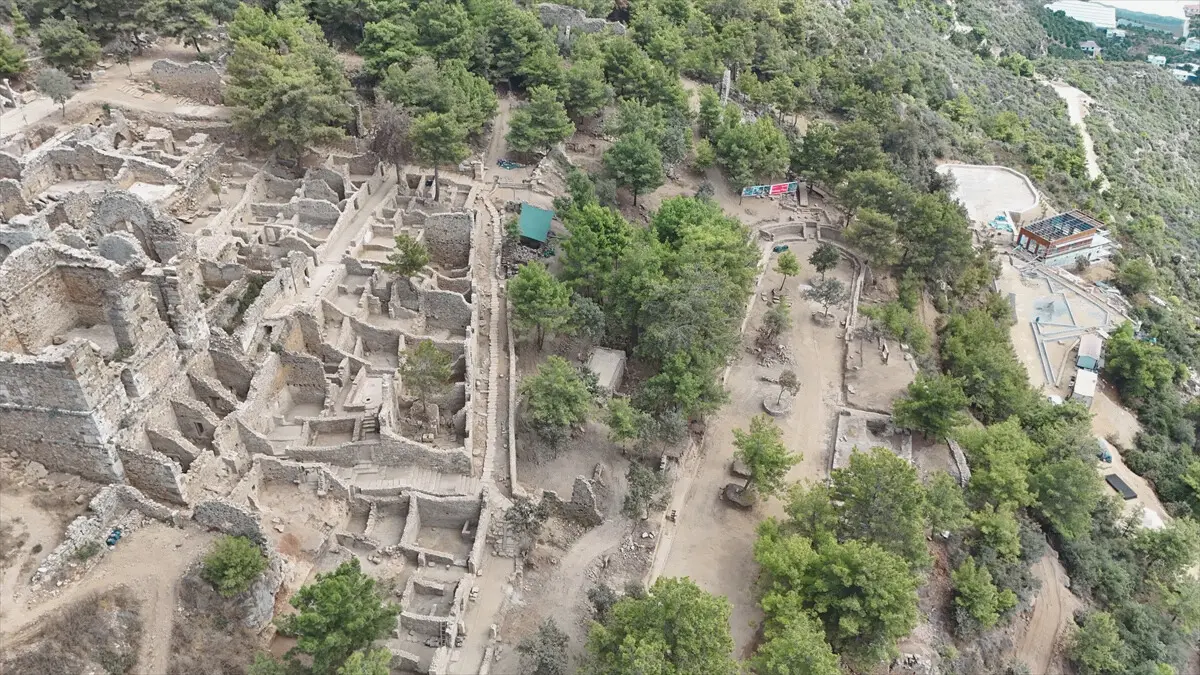
Archaeologists have uncovered the remains of a 1,800-year-old stadium in the ancient city of Syedra, located near Alanya, Turkey. This remarkable find is part of the Ministry of Culture and Tourism’s “Heritage for the Future Project”, which continues to shed light on the rich past of Anatolia.
The site carries the cultural imprints of Hellenistic, Roman, Byzantine, and Anatolian Seljuk civilizations. Beyond the newly discovered stadium, Syedra is already renowned for its colonnaded streets, baths, assembly halls, rock-cut baptism cave, intricate water infrastructure, and a stunning 164-square-meter floor mosaic depicting the legendary Twelve Labors of Hercules.
The Archaeological Discovery
Doç. Dr. Ertuğ Ergürer, head of excavations and faculty member at Alanya Alaaddin Keykubat University, explained that the discovery took place on a steep slope at an altitude of 340 meters above sea level.
“Before excavations, we knew of some seating rows but couldn’t pinpoint the stadium’s exact location. Surprisingly, we identified a massive structure about 200 meters long and 16 meters wide carved directly into the bedrock,” Ergürer said.
The excavation team has already exposed a large portion of the site, revealing original seating rows, stairways, and carefully cut stone blocks—considered among the finest examples of craftsmanship in Syedra.
The Role of the Stadium in Ancient Life
Historical inscriptions found in the city mention sports competitions, wrestling, and boxing, indicating that the stadium was central to public life.
According to Ergürer, “It would be wrong to think only wrestling and boxing took place here. Athletic events, religious festivals, and imperial celebrations were also likely held in this arena.”
The presence of a stadium in Syedra not only highlights the city’s wealth and sophistication but also suggests its elevated status compared to neighboring settlements. Archaeologists estimate the venue could accommodate around 2,000–3,000 spectators.
A Testament to Ancient Engineering
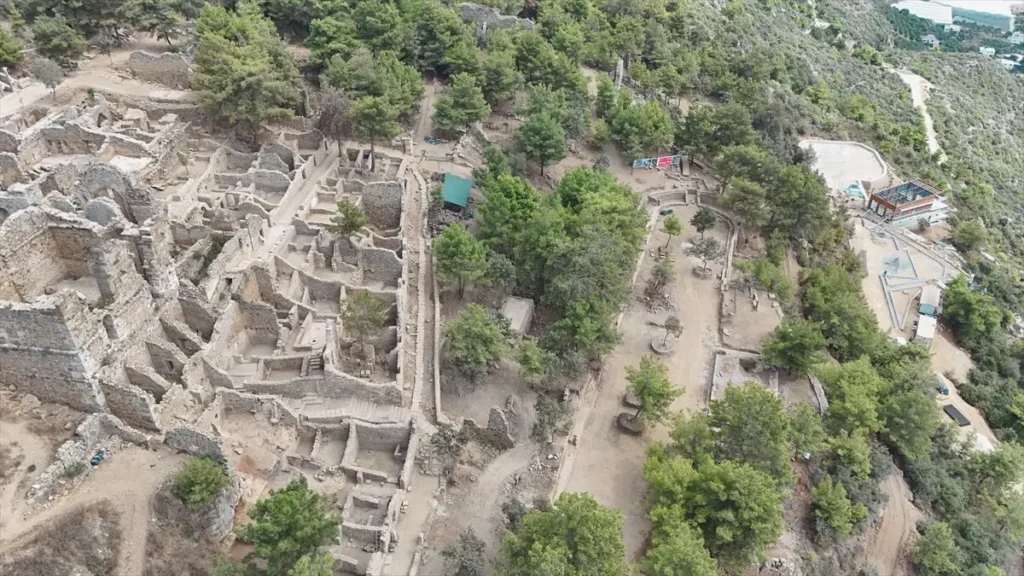
The stadium, estimated to be around 1,800 years old, was ingeniously constructed by flattening the city’s main rock formation.
While the northern section of the stadium remains relatively well-preserved, the southern end suffered damage due to later fortification walls. Excavations also revealed that seating was likely a combination of stone and wooden benches, similar to the layout of ancient theaters in the region.
Cultural Importance and Future Research
The discovery of the stadium underscores Syedra’s importance as a major cultural and athletic hub in antiquity. Once excavation is complete, experts believe the site will attract even greater attention from both historians and tourists.
For modern visitors, the stadium offers a unique glimpse into the sporting and social traditions of ancient Anatolia—a reminder that athletic competitions were as much about community and celebration as they were about physical strength.
Conclusion
The excavation of Syedra’s ancient stadium is more than just a local discovery; it is a cultural treasure that enriches our understanding of Mediterranean history. As restoration and preservation efforts continue, this monumental site is expected to become one of the highlights of archaeological tourism in Turkey.
read more