James
James
Researcher Says Ancient Symbols May Point to Anatolia
Lost civilization Turkey claims are once again making headlines after a controversial researcher suggested that the roots of an unknown ancient civilization may be hidden in Anatolia. According to new statements shared with British media, recurring symbols found in ancient structures across multiple continents could trace back to eastern Turkey.
The claims were made by television host and independent researcher Matthew LaCroix, who argues that ancient monuments in Turkey, Egypt, and South America share a common symbolic language that predates known civilizations by tens of thousands of years.
Ancient Symbols Found Across Continents
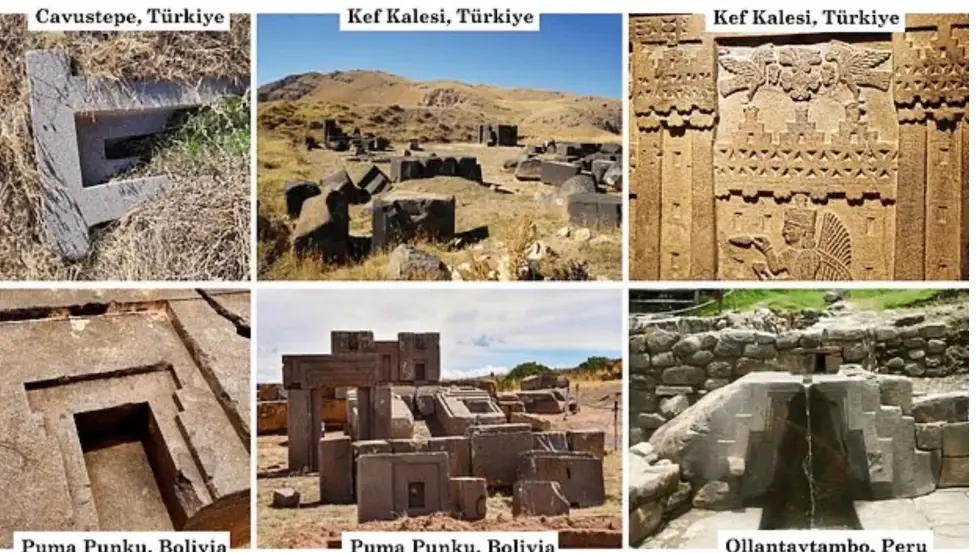
LaCroix says he analyzed carved symbols found in ancient stone structures located in Turkey, Egypt, Bolivia, Peru, and Cambodia. According to him, these sites feature repeating motifs that should not logically appear in unrelated cultures separated by oceans and vast distances.
He claims that these interconnected symbols date back 38,000 to 40,000 years, suggesting the existence of a lost global civilization with advanced architectural knowledge.
Among the recurring elements highlighted in his research are:
- Massive T-shaped stone carvings
- Three-tier recessed structures
- Stepped and inverted pyramids
- Lion figures and sacred geometry patterns
LaCroix describes these motifs as “symbols that should not exist,” arguing that no known ancient culture had the capability to transmit complex architectural knowledge across continents at such an early period.
Van Region Named as the Origin Point
According to LaCroix, the origins of this supposed global symbolic system lie in Turkey’s Van Lake region. He claims this area represents the earliest known source of the civilization’s teachings, architecture, and symbolic language.
LaCroix argues that locations such as Giza in Egypt and Tiwanaku in Bolivia were later developments that preserved the original blueprint created in Anatolia. He insists that the densest concentration of these symbols appears in the Van region before spreading worldwide.
Kefkalesi Relief at the Center of the Theory
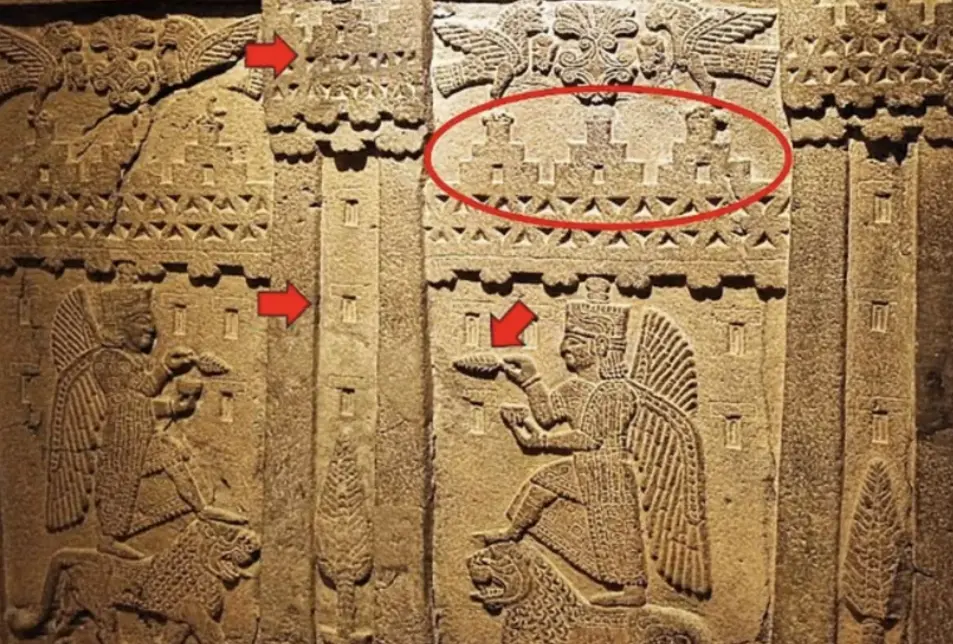
One of the most significant pieces of evidence cited by LaCroix is the Kefkalesi relief, a large basalt carving located in eastern Turkey. He claims this relief contains some of the clearest examples of the shared symbolic system.
According to LaCroix, the Kefkalesi relief features:
- Repeated T-shaped forms
- A three-gated stepped pyramid
- Lion imagery
- Complex iconography similar to symbols found in Egypt and South America
“This relief became one of the most important artifacts in my research,” LaCroix said. “It directly connects Egypt to this region and allows us to trace the global pattern backward.”
Lion Symbolism and the Sphinx Connection
LaCroix also places heavy emphasis on the lion symbol, which he describes as a guardian figure representing protection and structural order. He claims the positioning of lion imagery helps decode the symbolic system used by the lost civilization.
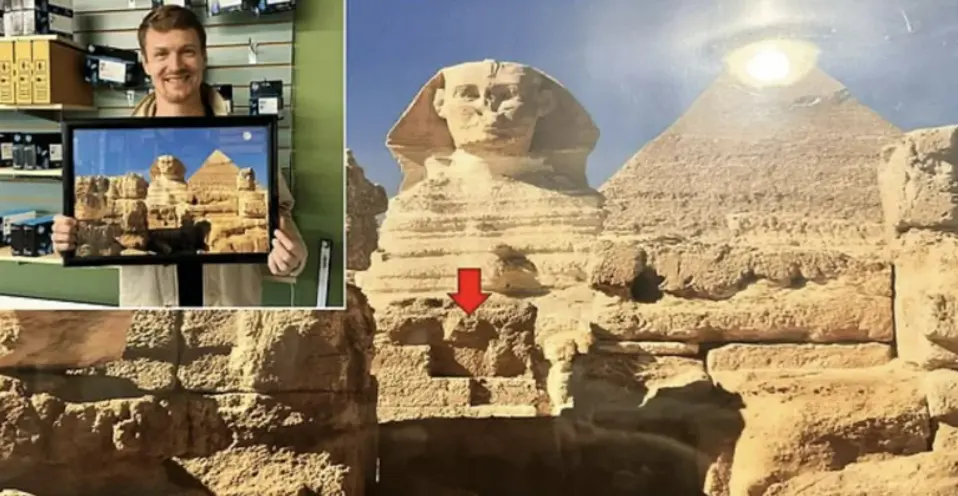
According to him, the Kefkalesi relief strengthened his interpretation of similar structures found at Egypt’s Sphinx Temple, accelerating his comparative analysis between Anatolia and ancient Egypt.
Scientific Community Pushes Back
Despite the attention these claims have received, archaeologists and scientists strongly dispute LaCroix’s conclusions. Experts point out that his research has not been published in a peer-reviewed academic journal, which is a fundamental requirement for scientific credibility.
Many scholars argue that similar symbols can emerge independently across cultures due to shared human psychology, basic geometry, and practical architectural needs. Without carbon dating, verified excavations, and academic validation, critics say the lost civilization Turkey theory remains speculative at best.
Why the Debate Continues
Even with skepticism from the scientific community, the theory continues to attract interest due to Turkey’s already significant role in early human history. Sites such as Göbekli Tepe have previously challenged conventional timelines of civilization, making Anatolia a focal point for alternative historical theories.
Whether LaCroix’s claims will ever gain scientific support remains uncertain. For now, the idea that the secrets of a lost civilization Turkey might emerge from Anatolia continues to spark debate, curiosity, and controversy worldwide.