James
James
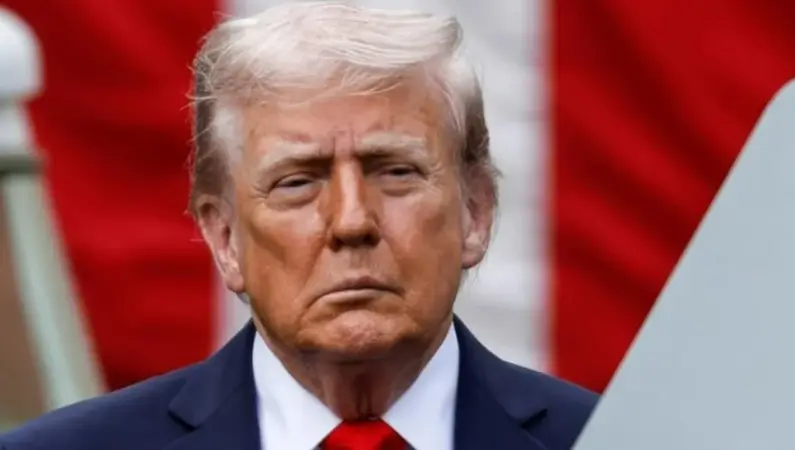
Trump hikes tariffs on South Korea following a social media announcement where the U.S. President declared a significant increase in import duties. Citing the South Korean legislature’s failure to ratify a previously agreed-upon trade deal, Trump announced that tariffs on essential goods—including automobiles, lumber, and pharmaceuticals—will jump from 15% to 25%.
This sudden shift marks a major escalation in trade tensions between Washington and Seoul, potentially reversing months of diplomatic progress.
The Breakdown of the “Historic Deal”
The friction stems from a “historic” agreement reached between Donald Trump and South Korean President Lee Jae-myung back on July 30, 2025. This deal was further reaffirmed during Trump’s visit to Korea in late October 2025. Under the original terms, the U.S. had agreed to cap tariffs at 15% in exchange for massive South Korean investments in U.S. manufacturing—reportedly totaling around $350 billion.
However, Trump expressed his frustration on social media, claiming that while the U.S. moved quickly to lower its duties, the South Korean Parliament (the National Assembly) has failed to enact the necessary legislation to finalize the pact.
“Because the Korean Legislature hasn’t enacted our Historic Trade Agreement, which is their prerogative, I am hereby increasing South Korean tariffs on autos, lumber, pharma, and all other reciprocal tariffs from 15% to 25%,” Trump stated.
Impact on Key Industries: Autos, Lumber, and More
The decision to Trump hikes tariffs on South Korea is expected to hit the Korean automotive industry the hardest. Cars and auto parts make up nearly 27% of South Korea’s exports to the United States. By returning the tariff rate to 25%, South Korean manufacturers like Hyundai and Kia may lose their competitive edge against Japanese and European rivals, who currently enjoy a lower 15% tariff rate.
In addition to automobiles, the following sectors are directly affected:
- Lumber: A key export that will now face higher entry costs into the U.S. market.
- Pharmaceuticals: A growing sector for South Korean exports that now faces a 10% tax hike.
- Reciprocal Tariffs: Any other goods previously covered under the 15% cap are now subject to the higher 25% rate.
Seoul’s Response and the Path Forward
The South Korean presidential office (the Blue House) reportedly held an emergency meeting following the news. Officials stated they had not received formal notification before the social media post. South Korea’s Industry Minister, Kim Jung-kwan, is expected to visit Washington soon to meet with U.S. Commerce Secretary Howard Lutnick to resolve the “legal limbo” surrounding the agreement.
While the markets initially reacted with volatility—shares in Korean carmakers dropped up to 5%—some analysts believe this move is a “negotiation tactic” to pressure the Korean Parliament into a quick vote. However, for now, the 25% tariff stands as a looming threat to the trade relationship between the two long-time allies.