James
James
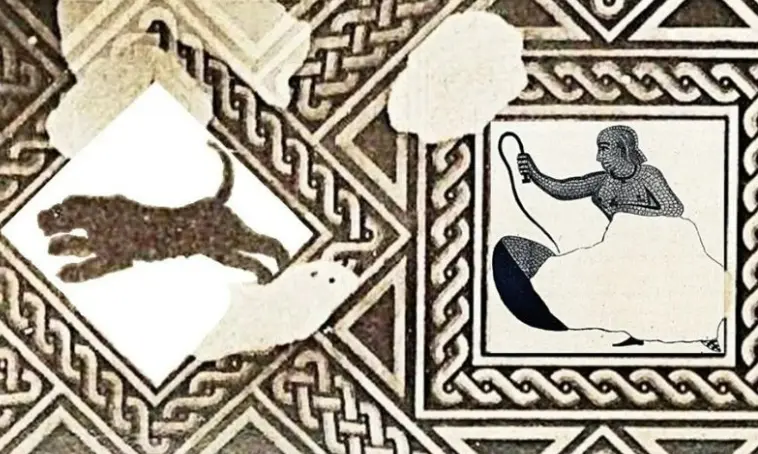
Roman Arena Woman Leopard Mosaic Discovery sheds new light on a little-known aspect of ancient Roman entertainment. A third-century mosaic depicts a topless woman fighting a leopard in an arena, offering what may be the first visual evidence of a female beast fighter in the Roman world.
While historical texts have long suggested that women participated in arena spectacles, this discovery provides rare visual confirmation. These women were known as venatrices—female hunters who fought wild animals rather than human opponents.
The Discovery of a Forgotten Mosaic
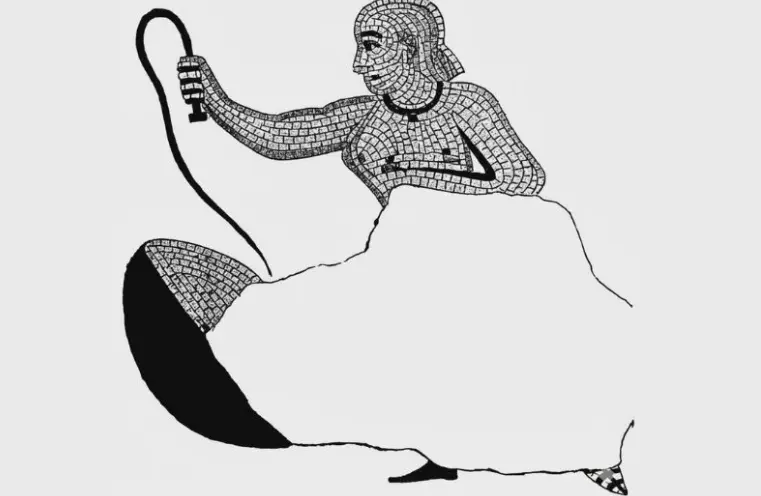
The mosaic was originally discovered in 1860 in Reims by archaeologist Jean Charles Loriquet. Unfortunately, much of the original artwork was destroyed during World War I. However, Loriquet’s detailed drawings survived and now serve as the primary source for modern analysis.
Recent research led by Alfonso Mañas has brought renewed attention to this overlooked artifact. His work re-examines the drawing and argues that the figure depicted is clearly a female animal fighter.
What the Mosaic Shows
The scene portrays a dramatic moment inside a Roman arena:
- A woman stands facing a leopard
- She holds a whip in her hand
- She appears topless, a detail believed to emphasize her identity
- The composition includes other figures such as hunters and gladiators
The artwork was likely part of a luxurious home, possibly belonging to a wealthy patron who financed arena games. It may have decorated a banquet hall, allowing guests to admire scenes of entertainment while dining.
Was She Really a Female Fighter?
At first, scholars debated the identity of the figure. Some suggested she could be:
- An incitator (animal provoker)
- A paegniarius (comic performer with a whip)
However, Mañas argues strongly that the figure represents a professional female hunter. His reasoning includes:
- The absence of protective gear typical of other roles
- The presence of only a whip, not additional equipment
- Clear physical features indicating the figure is female
Unlike condemned prisoners, who were often forced into arenas without weapons, this woman appears to be equipped and free-moving—signs of a trained performer.
Debate Among Experts
Not all scholars agree with this interpretation. Thomas Scanlon points out that the original mosaic no longer exists, meaning the analysis relies heavily on a 19th-century drawing, which may not be fully accurate.
Still, others, including Alison Futrell, find the argument convincing. She notes that women likely participated in arena events more often than surviving evidence suggests.
Why Were Female Fighters Depicted This Way?
The topless depiction of the woman may seem unusual today, but it had cultural significance in ancient Rome. According to researchers:
- It helped clearly identify the performer as female
- It added an element of spectacle and visual distinction
- It aligned with artistic traditions seen in depictions of female gladiators
Roman society often viewed human combat as a male activity. However, women fighting animals may have been more socially acceptable, partly due to the influence of Diana, a powerful female hunting deity.
Social Status and Identity
The identity of the woman remains unknown. Researchers suggest she may have been:
- A volunteer performer seeking fame or income
- A lower-status individual trained for arena spectacles
- Possibly someone condemned for a lesser crime but not stripped of all agency
High-status Roman women would not have appeared in such public and exposed roles, indicating that this figure likely came from a lower social class.
A Unique Piece of History
Although statues of female gladiators exist, this mosaic stands out as the only known visual representation of a female animal hunter in action.
It also raises important questions:
- Were female fighters more common than we think?
- Did regional differences affect their acceptance?
- How much of women’s role in Roman entertainment has been lost to history?
Looking Ahead
The discovery highlights how much remains unknown about ancient societies. As more research is conducted, historians hope to uncover additional evidence that will clarify the role of women in Roman arenas.
For now, this mosaic offers a rare and fascinating glimpse into a forgotten world—one where women could step into the arena and face wild beasts before a roaring crowd.