James
James
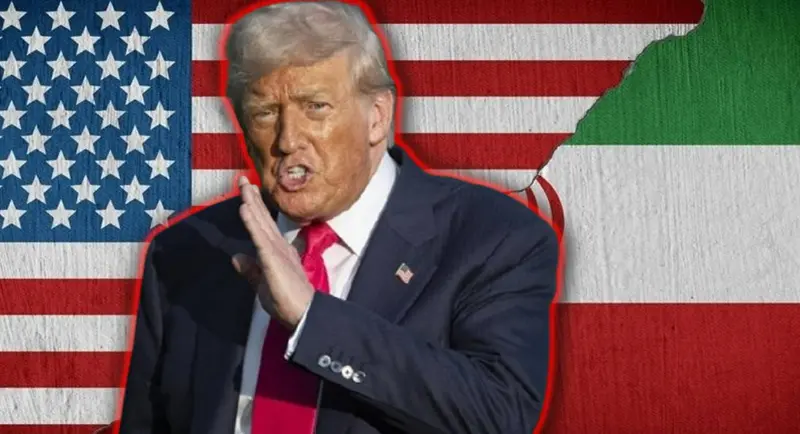
Trump Iran 48 hours warning has become one of the most talked-about international developments following a sharp statement from Donald Trump directed at Iran. In his latest remarks, Trump emphasized that a critical deadline is approaching, giving Iran only a short period to reach an agreement or face unspecified but severe consequences. The statement has intensified already existing geopolitical tensions and drawn attention from governments, analysts, and global markets.
A Strict Deadline and Strong Language
In his public comments, Donald Trump referred back to earlier warnings, stating that Iran had previously been given a 10-day timeframe to make a decision regarding negotiations and the reopening of key strategic routes. He now claims that this period is nearly over and that only 48 hours remain for a final outcome.
The tone of the statement was notably firm, using strong language to underline urgency. Trump suggested that failure to meet the expectations could lead to serious developments, including potential military implications, although no specific operational plans were disclosed.
Strategic Importance of the Strait of Hormuz
A key element in this dispute is the Strait of Hormuz, one of the most important maritime chokepoints in the world. A significant portion of global oil shipments passes through this narrow passage, making it highly sensitive in terms of international trade and energy security.
Any disruption in this region could have widespread consequences, not only for the Middle East but also for global energy prices and supply chains. This is why statements involving control or access to the Strait often trigger immediate global reactions.
Background of U.S.–Iran Relations
The relationship between the United States and Iran has long been marked by political tension, economic sanctions, and intermittent negotiations. Over the years, both sides have engaged in diplomatic talks aimed at stabilizing relations, but progress has often been inconsistent.
Recent developments suggest that negotiations have slowed or stalled, prompting stronger rhetoric from the U.S. side. Trump’s latest remarks indicate frustration with the pace of discussions and a desire to accelerate decision-making. He has previously extended deadlines, but his current statement signals that patience is wearing thin.
Previous Statements and Shifting Tone
Earlier statements from Donald Trump indicated that talks were ongoing and, at times, progressing positively. However, his tone has shifted toward urgency and pressure. He has also commented that certain military or regional events would not necessarily interrupt potential negotiations, suggesting that diplomacy remains an option despite rising tensions.
At the same time, his remarks highlight a more assertive stance, where deadlines and consequences are emphasized more strongly than before. This change in tone reflects the fragile nature of the current situation.
International Reactions and Concerns
The international community is closely observing these developments due to their potential impact on global stability. Countries dependent on energy imports are particularly attentive, as any escalation in the Strait of Hormuz could affect oil transportation and pricing worldwide.
Analysts note that such high-stakes warnings often serve both as diplomatic pressure and as a signal of possible strategic shifts. Whether these statements lead to renewed negotiations or increased tension remains uncertain, but the situation is being monitored closely by multiple stakeholders.
Possible Outcomes and Next Steps
With the 48-hour window highlighted, attention is now focused on how Iran will respond. Possible scenarios include renewed diplomatic engagement, continued stalemate, or further escalation in rhetoric.
For now, no official confirmation of agreement has been announced. The coming period is expected to be critical in determining whether tensions ease or intensify. Observers suggest that the outcome could have implications not only for bilateral relations but also for broader regional stability.