James
James
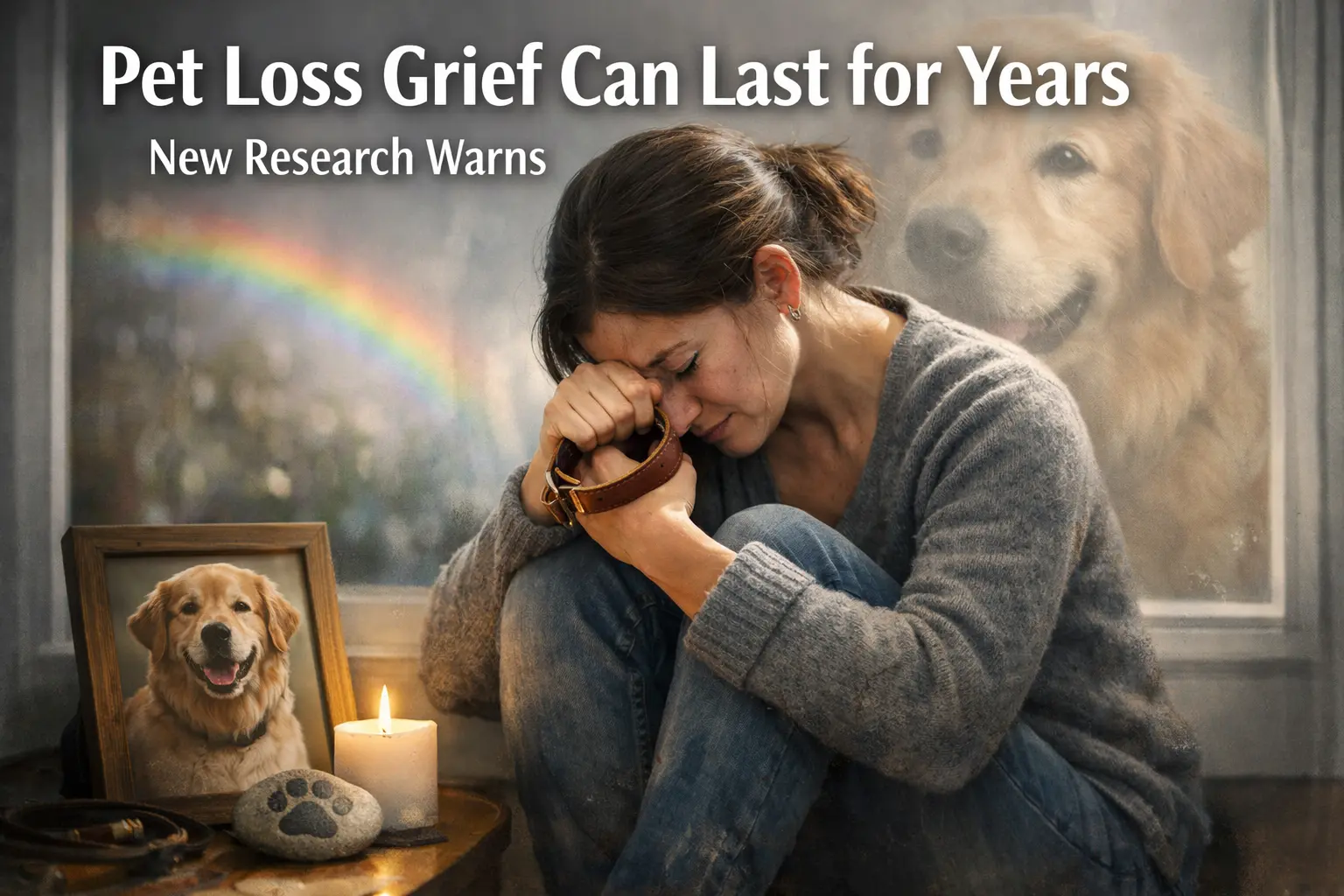
Pet loss grief is often underestimated, but new research suggests it can be just as deep, painful, and long-lasting as the loss of a close human companion. According to a recent academic study, some people who lose a beloved pet may experience intense mourning that lasts for months or even years.
The study, published in the scientific journal PLOS One and reported by Euronews, highlights how the death of a pet can trigger Prolonged Grief Disorder (PGD)—a serious mental health condition currently diagnosed only after human loss. Researchers now argue that this definition may be too narrow.
What Is Prolonged Grief Disorder (PGD)?
Prolonged Grief Disorder is marked by persistent emotional pain following a loss. Symptoms include:
- Intense longing for the deceased
- Deep feelings of hopelessness
- Emotional numbness
- Difficulty socializing
- Trouble completing everyday tasks
Many individuals also report feeling as though a part of themselves has died. While PGD is officially recognized only after the death of a person, researchers say the emotional impact of pet loss can be strikingly similar.
The Study: Pet Loss and Mental Health
The research was conducted in the United Kingdom with 975 adult participants. Nearly one-third of those surveyed had experienced the death of a pet.
Among pet owners who had lost an animal, 7.5% met the clinical criteria for Prolonged Grief Disorder. This rate is almost identical to PGD levels seen after the death of a close friend (7.8%).
For comparison, PGD rates following other losses were reported as:
- Grandparent: 8.3%
- Sibling: 8.9%
- Partner: 9.1%
- Parent: 11.2%
- Child: 21.3%
These figures show that pet loss grief can rival the emotional weight of losing close family members.
“Sometimes the Pet Loss Hurts the Most”
One striking finding revealed that more than one in five people who had lost both a loved person and a pet said the pet’s death was the most emotionally devastating experience.
Researchers noted that many grieving pet owners feel shame or embarrassment when expressing their pain. This often leads to isolation and prevents people from seeking emotional support.
Calls for Change in Clinical Guidelines
Professor Philip Hyland, a psychology expert at Maynooth University in Ireland and lead author of the study, described the grief following pet loss as “clinically significant.”
He emphasized that excluding pet loss from PGD diagnostic criteria may leave many people without access to proper mental health care.
“Removing pet loss from grief criteria is not only scientifically inaccurate, but it can also be viewed as insensitive,” Hyland stated.
The study argues that grief symptoms following pet death are not fundamentally different from those experienced after human loss and urges mental health guidelines to evolve accordingly.
A Grief That Deserves Recognition
Overall, researchers estimate that around one in every 12 PGD cases in the UK may be linked to pet loss. These findings challenge long-held assumptions and underline the emotional importance pets hold in people’s lives.
As pets increasingly become family members rather than just companions, experts say it is time for mental health systems to acknowledge that pet loss grief is real, valid, and deserving of support.