James
James
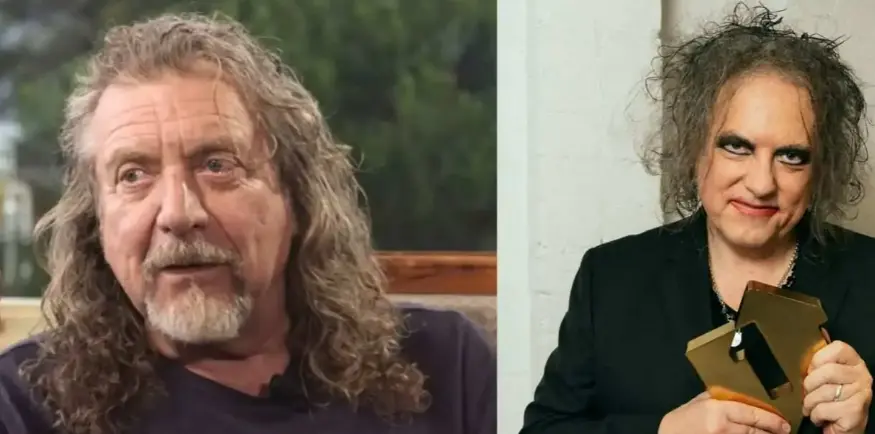
Best known as the voice of Led Zeppelin, Robert Plant helped shape hard rock history. Yet, beyond the thunderous riffs and blues-inspired vocals, Plant has consistently demonstrated a far broader musical curiosity than many might expect.
Over the decades, Plant has followed evolving music trends closely, often highlighting artists outside his own genre. One of the most surprising and enduring examples of this is his admiration for The Cure—a band rooted in alternative and gothic rock rather than classic rock traditions.
Why Robert Plant The Cure Robert Smith Connection Matters
The connection between Robert Plant The Cure Robert Smith is not just a casual appreciation. Plant has openly praised the band since their early days and singled out specific works that left a lasting impression on him.
Among his favorites is the critically acclaimed album Disintegration, released in 1989. The album is widely considered one of The Cure’s masterpieces, featuring timeless tracks like Lullaby, Pictures of You, and Lovesong.
In a past interview, Plant described what draws him to Robert Smith’s artistry. He pointed to the emotional vulnerability in Smith’s music, noting how it creates a unique and immersive world for listeners. This emotional depth is a defining trait of The Cure’s sound and likely one of the key reasons it resonated so strongly with him.
The Influence of “Lullaby” and Live Performances
Plant’s admiration didn’t remain limited to words—it also made its way onto the stage. During the mid-1990s, when he collaborated with Jimmy Page as part of their Page & Plant project, the duo frequently performed their own version of “Lullaby.”
According to live performance archives, the song was played dozens of times during their tours, becoming one of the few contemporary tracks included alongside classic rock staples and blues covers.
This crossover moment highlights how deeply The Cure’s music influenced Plant. It’s not every day that a Led Zeppelin icon integrates alternative rock into his live repertoire.
Porl Thompson’s Role in Bridging the Two Worlds
Another interesting chapter in the Robert Plant The Cure Robert Smith story involves Porl Thompson (also known as Pearl Thompson), who played with The Cure during key periods.
After stepping away from the band to focus on visual art, Thompson received an unexpected call—from Robert Plant himself. Initially thinking it might be a joke, Thompson soon realized it was a genuine invitation to collaborate.
He later joined Page & Plant, further strengthening the connection between the classic rock legends and the alternative scene. Thompson even contributed to Plant’s later solo work, including the album Dreamland.
Beyond The Cure: Plant’s Love for Alternative and Gothic Rock
The Cure wasn’t the only alternative band to earn Plant’s respect. Around the same period, he also expressed admiration for The Sisters of Mercy, another influential act in the gothic rock genre.
Plant has often described music as a vast and subjective landscape, emphasizing that personal taste plays a crucial role in how listeners connect with it. While he acknowledged that some aspects of modern music production had lost their edge, he remained optimistic about the creativity alive in alternative scenes.
This openness to different styles sets Plant apart from many of his peers and reinforces his reputation as a musician who evolves with time rather than staying confined to one era.
The Robert Smith Quote That Caught Plant’s Attention
The Robert Plant The Cure Robert Smith conversation gained fresh attention in recent years thanks to a witty quote from Robert Smith.
“I am too old to be alternative and too alternative to be old.”
When this quote was brought up to Plant in a later interview, he responded with clear admiration. He described it as both humorous and insightful, reflecting a mindset he personally relates to.
Plant went on to explain that he doesn’t think about age in a conventional way. Despite acknowledging the passing years, he emphasized that his passion and creativity remain stronger than ever. For him, continuing to create music is driven by genuine desire and purpose—not by expectations tied to age.
The Cure’s Legacy in Music History
Understanding why Plant holds The Cure in such high regard also requires looking at the band’s broader impact.
Formed in 1976 in England, The Cure emerged during a time when rock music was undergoing major changes. Their debut album, Three Imaginary Boys, introduced audiences to a fresh sound that blended post-punk energy with emotional introspection.
That same era saw the release of their breakthrough single Boys Don’t Cry, which remains one of their most recognizable tracks.
Over the decades, the band has released numerous albums and sold tens of millions of records worldwide. Throughout it all, Robert Smith has remained the central figure, guiding the band’s creative direction.
A Shared Artistic Philosophy
At its core, the Robert Plant The Cure Robert Smith connection reflects a shared artistic philosophy. Both artists value authenticity, emotional expression, and a willingness to explore new creative directions.
While their musical styles differ significantly, they are united by a commitment to pushing boundaries and staying true to their artistic instincts.
This mutual respect across genres is a reminder that great music often transcends labels. It also highlights how influential bands like The Cure can resonate even with artists from entirely different musical backgrounds.
The Enduring Relevance of Cross-Genre Influence
In today’s music landscape, where genres continue to blend and evolve, stories like this remain highly relevant. They show how inspiration flows freely between artists, regardless of their origins.
For fans, the idea that a hard rock legend like Robert Plant deeply appreciates a gothic alternative band adds a new layer of appreciation for both artists. It encourages listeners to explore beyond their usual preferences and discover connections they might not have considered.