James
James
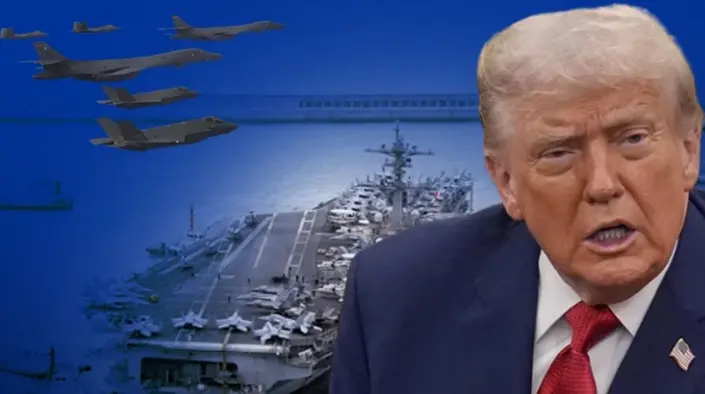
Trump Iran Second Aircraft Carrier Threat Raises Tensions Ahead of Talks
Trump Iran second aircraft carrier threat has once again pushed tensions between Washington and Tehran to the forefront of global politics. Speaking ahead of a new round of diplomatic talks, U.S. President Donald Trump delivered a blunt warning to Iran, stating that the United States is prepared to take severe action if negotiations fail.
In a recent interview with Israeli journalist Barak Ravid, Trump emphasized that time is running out for a diplomatic solution. According to the U.S. president, Iran must either agree to a comprehensive deal or face what he described as “very bad consequences.” His remarks come as preparations are underway for a second round of negotiations between U.S. and Iranian officials.
Possible Deployment of a Second Aircraft Carrier
Trump confirmed that the United States is considering sending a second aircraft carrier strike group to the Middle East. The move would significantly expand the U.S. naval presence in the region, adding to the forces already stationed there, including the USS Abraham Lincoln.
“There is already a fleet there, and another one could be on the way,” Trump said, signaling that military options remain firmly on the table. The potential deployment is widely seen as a warning designed to increase pressure on Tehran ahead of upcoming talks.
Iran’s Shift in Negotiating Stance
According to Trump, Iran’s approach at the negotiating table has changed noticeably compared to previous rounds of talks. He claimed that Iranian officials now appear more flexible, largely because they believe the United States is willing to follow through on its military threats.
“In the past, they didn’t think we would act. This time is different,” Trump said. He added that Iranian negotiators are taking the discussions more seriously, knowing that failure could lead to direct military consequences.
Netanyahu’s Role and Israeli Concerns
The Trump Iran second aircraft carrier threat also comes just before a scheduled White House meeting with Israeli Prime Minister Benjamin Netanyahu. Trump dismissed claims that Netanyahu opposes negotiations with Iran, insisting that both leaders share the same goal: a strong and enforceable agreement.
Netanyahu, who is facing international legal pressure and growing regional instability, is expected to voice Israel’s security concerns during the meeting. Israeli officials have long argued that Iran’s nuclear and missile programs pose an existential threat to the country.
What the Proposed Agreement Would Include
Trump made it clear that any future agreement with Iran would go beyond nuclear warheads. According to the U.S. president, Iran’s ballistic missile program would also be included as a non-negotiable part of the deal.
“The nuclear issue is not up for debate,” Trump said. “Missiles must be part of the agreement as well.” This firm stance suggests that negotiations could be difficult, despite Trump’s cautious optimism.
Background of the Renewed Talks
U.S.–Iran nuclear negotiations had been suspended following military clashes in mid-2025 involving Iran, Israel, and the United States. Talks resumed earlier this month in Oman, where both sides described the discussions as constructive.
The Iranian delegation is led by Foreign Minister Abbas Araghchi, while the U.S. side is represented by Trump’s Middle East envoy, Steve Witkoff. Iranian officials have confirmed that both parties agreed to continue negotiations, though no concrete breakthroughs have yet been announced.
A Choice Between Diplomacy and Conflict
Trump summed up the situation in stark terms: either Iran agrees to a deal, or the United States will respond with force. As regional tensions rise and military assets continue to move, the coming weeks may prove decisive for the future of U.S.–Iran relations.
The Trump Iran second aircraft carrier threat underscores how fragile the current diplomatic window is—and how quickly it could close if talks collapse.