James
James
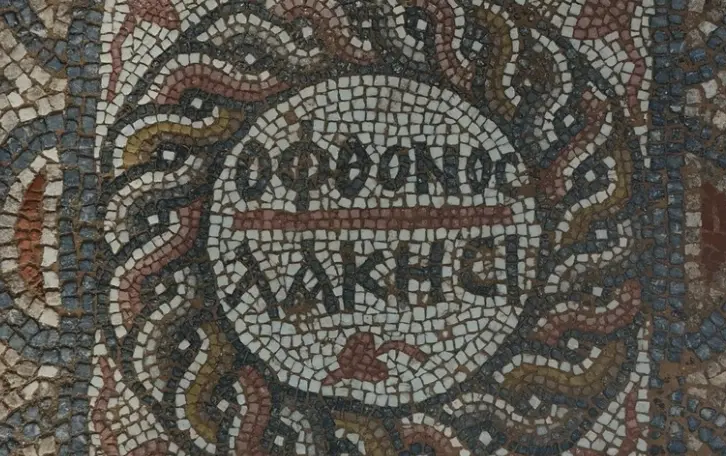
Antalya mosaic discovery has captured global attention after archaeologists uncovered a remarkable 1,500-year-old floor mosaic bearing a striking message: “let the jealous burst.” Found in the ancient city of Syedra Ancient City, this unique artifact offers a fascinating glimpse into daily life, beliefs, and cultural expressions during Late Antiquity.
This discovery is not just another archaeological find—it connects modern expressions with ancient traditions in a surprisingly familiar way.
A Rare Mosaic Unearthed in Southern Türkiye
The Antalya mosaic discovery took place in Alanya, approximately 20 kilometers east of the city center, where Syedra sits on a steep hillside overlooking the Mediterranean Sea. Archaeologists working in one of the largest residential buildings in the ancient city uncovered a well-preserved mosaic covering around 15 square meters.
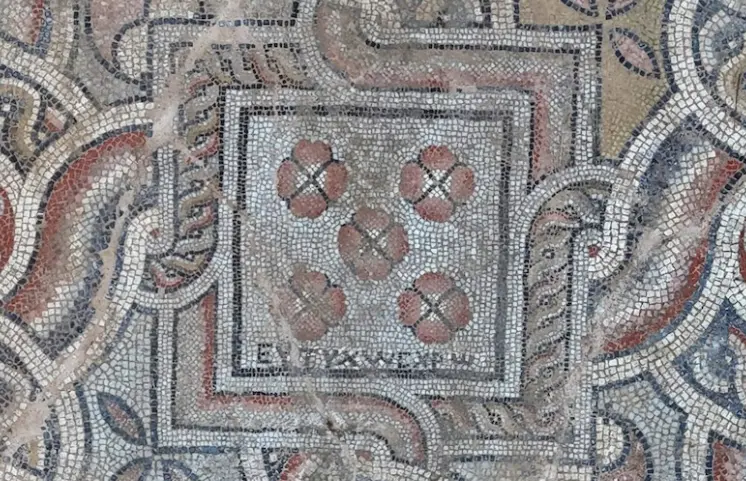
Dating back to between the 4th and 6th centuries AD, the mosaic features intricate geometric and floral patterns. However, what makes it truly extraordinary is the presence of two Ancient Greek inscriptions embedded within its design.
One inscription conveys a welcoming message similar to “use this with joy” or “good luck with it.” The second inscription, placed prominently at the entrance, carries the phrase interpreted as “let the jealous burst.”
The Meaning Behind the Inscription
The phrase discovered in the Antalya mosaic discovery reflects a concept deeply rooted in ancient Mediterranean culture: protection from envy and the evil eye.
The Greek word phthonos, meaning envy or jealousy, was commonly associated with harmful intentions believed to bring misfortune. To counter this, people often used protective inscriptions, symbols, or objects.
In this case, the inscription served both as a warning and a shield. Positioned at the entrance of the home, it was intended for anyone stepping inside to see. The message essentially challenged envy itself—an ancient equivalent of a phrase still widely used today in modern cultures.
Ancient Beliefs: Protection Against the Evil Eye
The Antalya mosaic discovery also highlights the widespread belief in the evil eye across the Eastern Mediterranean.
Similar inscriptions have been found in ancient cities such as:
- Antiochia
- Zeugma
- Cyprus
These inscriptions are known as apotropaic, meaning they were designed to ward off evil or bad luck. In many cases, they were placed at thresholds—doorways, entrances, and courtyards—where protection was considered most necessary.
The mosaic from Syedra is particularly valuable because it confirms that this tradition was also present in the mountainous Cilicia region, expanding our understanding of cultural practices in ancient Anatolia.
A House That Lived for Centuries
The structure where the Antalya mosaic discovery was made is believed to be one of the largest residences in Syedra. Archaeological evidence suggests that the building was continuously inhabited from the 2nd to the 7th century AD—nearly 500 years.
Over time, the house underwent multiple transformations:
- New rooms were added
- Additional floors were constructed
- Certain sections were closed off or repurposed
These changes played a crucial role in preserving the mosaic. At some point, the entrance area was sealed, effectively protecting the artwork from weather damage, looting, and natural decay.
As a result, the mosaic has survived in remarkably good condition, offering researchers a rare opportunity to study both its artistic and cultural significance.
Restoration and Preservation Efforts
Following the Antalya mosaic discovery, conservation experts quickly assessed the condition of the mosaic. While it was largely intact, some sections required immediate attention.
Restoration efforts included:
- Reinforcing the borders
- Filling gaps between stones
- Applying protective surface treatments
These measures ensure that the mosaic can be preserved for future study and potentially displayed to visitors.
Syedra: More Than Just a Residential City
While the Antalya mosaic discovery is the latest highlight, Syedra itself is notable for another reason—it was a major center of olive oil production in antiquity.
Excavations have revealed:
- Nearly 20 olive oil workshops uncovered so far
- Over 100 production facilities identified across the city
This density suggests that Syedra was not just producing for local consumption but was likely engaged in regional or even international trade.
Interestingly, unlike many ancient cities where industrial activities were located outside residential areas, Syedra integrated production into everyday life. Workshops were often built directly beneath homes, with living spaces above and shops facing the streets.
This unique urban layout reflects a highly efficient and economically active community.
Cultural Significance of the Discovery
The Antalya mosaic discovery stands out not only for its artistic beauty but also for its cultural relevance.
It demonstrates that:
- Expressions related to jealousy and envy have deep historical roots
- Protective beliefs against the evil eye were widespread and deeply embedded in daily life
- Language and humor from ancient times can feel surprisingly modern
The phrase “let the jealous burst” resonates even today, showing how certain human emotions and reactions remain unchanged across centuries.
Ongoing Excavations and Future Insights
The excavation at Syedra Ancient City is part of the “Heritage for the Future Project” led by Alanya Alaaddin Keykubat University and supported by the Turkish Ministry of Culture and Tourism.
Since 2019, archaeologists have been uncovering new layers of the city, revealing more about its:
- Urban structure
- Economic systems
- Cultural practices
The Antalya mosaic discovery is just one of many findings that continue to reshape our understanding of life in ancient Anatolia.
Why This Discovery Matters Today
Beyond its historical importance, the Antalya mosaic discovery has broader implications:
- It strengthens Türkiye’s position as a key destination for cultural tourism
- It provides valuable material for academic research
- It connects modern audiences with ancient human experiences
For visitors and history enthusiasts alike, discoveries like this make ancient cities feel more alive and relatable.