James
James
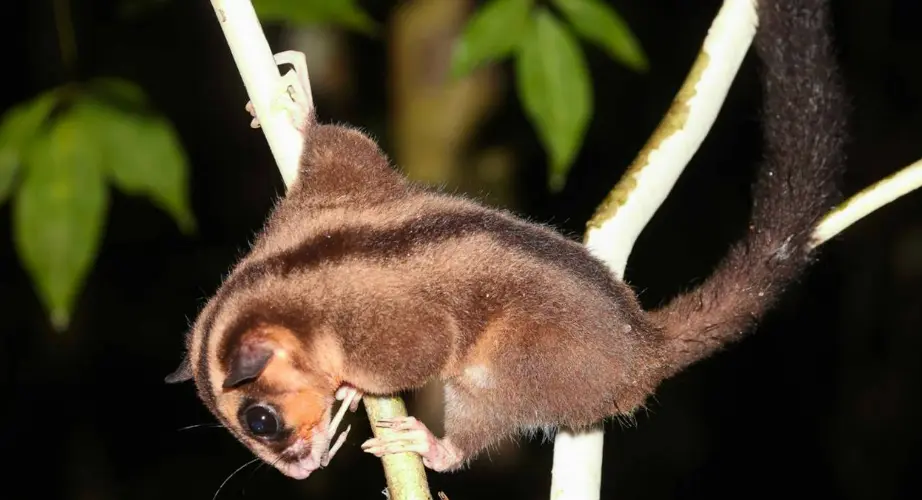
A remarkable scientific discovery has emerged from the remote rainforests of Indonesia. Lost marsupial species found alive in West Papua have surprised researchers after being believed extinct for roughly 6,000 years. The discovery includes a tiny long-fingered marsupial and a rare gliding mammal, both living quietly in one of the world’s most isolated forest ecosystems.
Scientists say finding even one species previously believed extinct is unusual. Discovering two at the same time is considered extraordinary.
A Surprising Discovery Deep in the Rainforest
The discovery took place in the dense and difficult-to-reach forests of West Papua, part of the island of New Guinea. Researchers from international institutions conducted expeditions to investigate rare fossil records and historical evidence suggesting that some ancient species might still survive in the region.
These expeditions eventually confirmed the presence of two animals that were previously known only from fossil remains and historical specimens.
The findings were later published in the scientific journal Records of the Australian Museum, where researchers described the discovery as a rare example of a “Lazarus species.”
The term “Lazarus taxon” refers to species that disappear from the fossil record for long periods and are later discovered alive. The name comes from the biblical figure Lazarus, who was brought back to life.
According to scientists, these discoveries provide new insight into the hidden biodiversity of remote tropical ecosystems.
The Long-Fingered Dwarf Possum
One of the most fascinating animals rediscovered during the expedition is the long-fingered dwarf possum.
This tiny marsupial weighs around 200 grams and has a very unusual physical feature: the fourth finger on each hand is nearly twice as long as the other fingers. Researchers believe this adaptation helps the animal dig into wood and tree bark to reach insect larvae, which are likely its main food source.
Previously, scientists thought this species disappeared from Australia during the Ice Age thousands of years ago. Fossil remains suggested the animal existed between 7,500 and 6,000 years ago, but no living specimen had ever been recorded.
The rediscovery proves that the species managed to survive in isolated rainforest environments far from human activity.
The Ring-Tailed Gliding Mammal
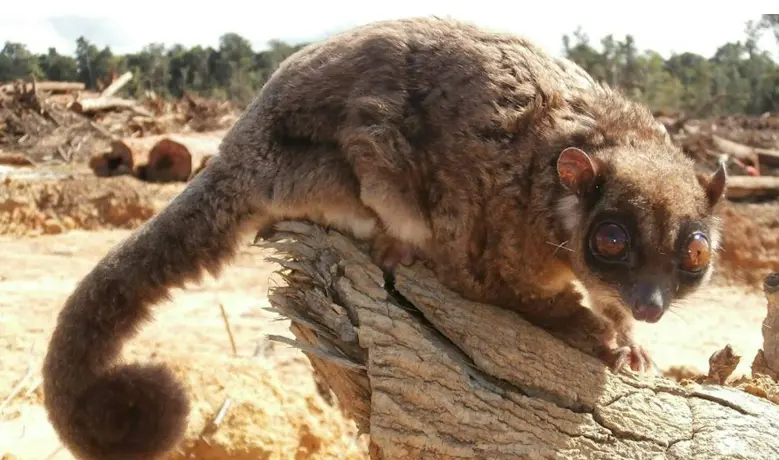
The second animal identified by researchers is a ring-tailed gliding marsupial, a small mammal capable of gliding between trees.
This species is related to gliding mammals found in Australia but appears to represent a distinct lineage. The animal lives high in the rainforest canopy and likely spends most of its life in tree hollows.
Local knowledge suggests that these animals prefer the tallest trees in the forest, which makes them extremely difficult to observe.
Researchers estimate that this gliding marsupial weighs about 300 grams and likely feeds on plant sap, leaves, and possibly insects.
Because of its secretive lifestyle and remote habitat, it managed to remain unnoticed by scientists for thousands of years.
Fossils, Old Photos, and Decades of Research
The discovery did not happen overnight. It came after years of scientific investigation.
Researchers carefully studied fossil teeth, jaw fragments, museum specimens, and rare photographs taken in the region. Some preserved animals stored in museum collections had even been misidentified for decades.
After reviewing this evidence, scientists organized field expeditions to the Vogelkop Peninsula in New Guinea, an area known for its ancient geological history and biodiversity.
This region was once connected to the Australian continent millions of years ago. Because of its isolation and dense rainforest, it may have acted as a biological refuge where ancient species survived while disappearing elsewhere.
The Role of Local Indigenous Knowledge
Another important part of the discovery was the knowledge shared by Indigenous communities living in the region.
Researchers worked closely with elders from the Tambrauw and Maybrat communities, who have lived in the forests for generations. Their traditional knowledge helped scientists locate areas where the animals might live.
In fact, the local name for the gliding marsupial — “Tous” — was used as the basis for the scientific classification of the newly described genus.
One researcher involved in the project explained that without the guidance and cooperation of the local communities, identifying these animals would have been extremely difficult.
Some communities even consider the gliding animals sacred. According to researchers, this cultural respect has helped protect the species because local people traditionally avoid hunting them or even mentioning their names.
Why This Discovery Matters
The rediscovery of species believed extinct is significant for several reasons.
First, it reminds scientists that Earth still contains many unexplored ecosystems where unknown species may exist. Remote rainforests, deep oceans, and isolated mountains remain some of the least studied environments on the planet.
Second, the discovery highlights the importance of protecting biodiversity hotspots like West Papua’s rainforests. If these habitats disappear due to deforestation or climate change, species that have survived for thousands of years could vanish forever.
Finally, the findings encourage scientists to continue searching for other “lost species” that may still survive in remote regions.
Some experts believe the forests of New Guinea may contain many more undiscovered mammals, reptiles, insects, and plants waiting to be documented.
Conservation Efforts Now Underway
Following the discovery, conservation groups are beginning to focus on protecting the region’s forests and wildlife.
Environmental organizations are working with local communities to preserve natural habitats across the Vogelkop Peninsula. These efforts aim to prevent logging and habitat destruction that could threaten rare species.
Scientists emphasize that protecting these ecosystems benefits not only wildlife but also the Indigenous communities who depend on the forest for their way of life.
If the region remains protected, it could continue to serve as a sanctuary for ancient species that have survived since prehistoric times.
A Reminder That Nature Still Holds Surprises
The discovery of lost marsupial species found alive in West Papua is a powerful reminder that nature still holds many mysteries.
Even in the modern era of satellite technology and global exploration, remote parts of the world continue to reveal extraordinary secrets.
For scientists and wildlife enthusiasts alike, the rediscovery of these animals offers hope that other species believed lost to time may still exist somewhere on Earth, waiting to be found.