 James
James
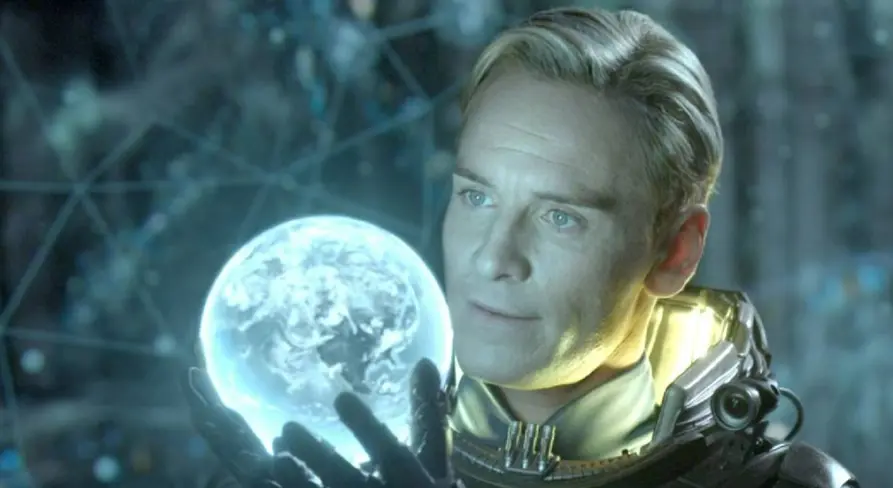
Prometheus Netflix has achieved something few films manage to do: return to the spotlight more than a decade after its theatrical release and dominate global streaming charts. Fourteen years after debuting in cinemas, Ridley Scott’s ambitious science-fiction epic has surged to the top of Netflix’s worldwide rankings, proving that bold ideas and striking visuals can find new life in the digital age.
Originally released in 2012, Prometheus was met with intense debate. Some praised its philosophical ambition and visual design, while others criticized its narrative choices and distance from traditional Alien horror. Today, however, the film’s renewed popularity suggests that audiences are reevaluating it with fresh eyes — and perhaps greater appreciation.
A Second Life on Streaming Platforms
The resurgence of Prometheus Netflix is not accidental. According to global streaming analytics, the film recently climbed to the number-one spot on Netflix’s most-watched movies list worldwide. This renewed interest highlights how streaming platforms can radically change the cultural afterlife of a film.
When Prometheus first arrived in theaters, expectations were sky-high. It marked the return of Ridley Scott to the universe he helped create decades earlier with Alien. But instead of delivering a direct horror sequel, Scott chose a more cerebral path — one rooted in mythology, creation, and humanity’s search for meaning.
Streaming has given audiences the time and space to engage with these themes without the pressure of opening-weekend expectations.
What Prometheus Is Really About
At its core, Prometheus follows a team of scientists who discover an ancient star map pointing toward humanity’s possible creators — a mysterious race known as the Engineers. Funded by a powerful corporation, the crew embarks on a deep-space mission aboard the ship Prometheus, hoping to uncover the origins of human life.
What they find instead is something far more unsettling.
Rather than offering simple answers, the film raises profound questions. Who created humanity? Why were we created? And what happens when creators lose control of their creations? These themes place Prometheus closer to philosophical science fiction than traditional monster-driven horror.
This approach divided audiences in 2012, but in today’s era of complex, idea-driven storytelling, it feels far more at home.
A Controversial Entry in the Alien Universe
Within the Alien franchise, Prometheus occupies a unique and often controversial position. It is technically a prequel, but it deliberately avoids focusing on the iconic Xenomorph creature that defined the series.
For longtime fans expecting pure terror, this shift was disappointing. However, others saw it as a bold expansion of the universe — one that explored origins rather than repetition.
The film’s emphasis on ancient mythology, cosmic horror, and existential dread recontextualized the Alien timeline. Instead of asking how to survive the monster, Prometheus asks why the monster exists at all.
A Cast That Continues to Resonate
Part of the film’s enduring appeal lies in its cast. Noomi Rapace delivers a grounded and emotionally driven performance as Dr. Elizabeth Shaw, a scientist whose faith and curiosity push her forward even in the face of terror.
Michael Fassbender stands out as the android David, a character whose cold logic and quiet menace have aged remarkably well. David is not just a machine; he is a mirror reflecting humanity’s own desire to play god.
The supporting cast, including Charlize Theron, Idris Elba, and Guy Pearce, adds further depth to the story, grounding its cosmic ideas in human conflict and ambition.
Visual World-Building That Still Impresses
Even critics of the script have long agreed on one thing: Prometheus looks incredible.
With a production budget of around $130 million, the film delivered vast alien landscapes, haunting architecture inspired by the work of H. R. Giger, and meticulously designed technology. These visuals have aged far better than many early-2010s blockbusters, making the film especially appealing in high-definition streaming formats.
On Netflix, where viewers can pause, rewind, and rewatch, the film’s visual storytelling shines more than ever.
Box Office Success, Critical Division
Financially, Prometheus was never a failure. The film earned approximately $403 million worldwide, comfortably surpassing its production costs. Commercial success, however, did not translate into universal critical praise.
Many reviewers questioned the characters’ decision-making and the scientific plausibility of certain plot points. These criticisms became central to online debates that followed the film for years.
Yet time has softened those reactions. Modern audiences seem more willing to accept Prometheus as a mood-driven, idea-focused experience rather than a tightly plotted thriller.
Why Prometheus Works Better Today
The renewed success of Prometheus Netflix reflects a broader shift in audience taste. Viewers today are more accustomed to slow-burn storytelling, ambiguous endings, and philosophical themes — especially thanks to the rise of prestige television and complex sci-fi series.
What once felt frustratingly vague now feels intriguing. What once felt unfinished now feels intentionally open-ended.
Streaming also removes the pressure of a single viewing. Audiences can rewatch scenes, analyze details, and engage with the film on a deeper level — something that benefits a movie as layered as Prometheus.
Availability and Global Reach
The film’s presence on Netflix has given it unprecedented global reach. In several regions, Prometheus is also available on other platforms, expanding its audience even further.
This accessibility has introduced the film to younger viewers who were too young to see it in theaters in 2012. For them, Prometheus is not a controversial prequel — it is simply a visually stunning and thought-provoking sci-fi story.
A Reappraisal Years in the Making
The success of Prometheus Netflix highlights an important truth about modern cinema: films are no longer defined solely by their opening weekend. Streaming allows stories to evolve, reputations to change, and audiences to form new interpretations over time.
Fourteen years later, Prometheus is no longer just “that divisive Alien prequel.” It is a film that dared to ask big questions — and is finally being rewarded for it.


