James
James
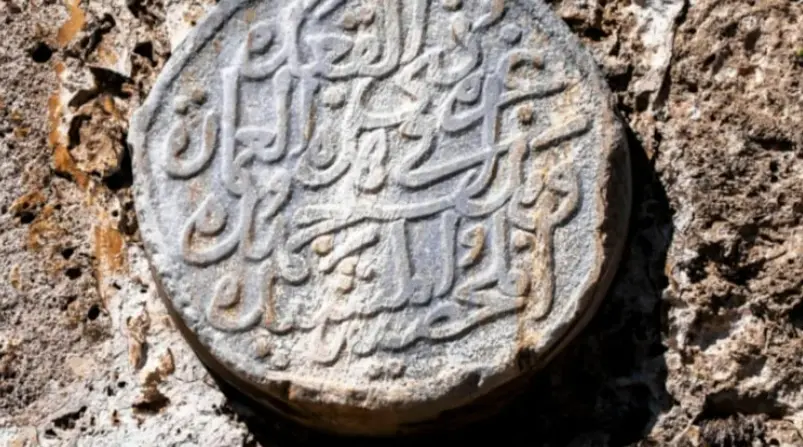
Seljuk Inscriptions in Kaleiçi have been discovered during a detailed historical investigation in the old city of Antalya, revealing dozens of ancient inscriptions that had remained hidden for centuries. Researchers identified a total of 45 inscriptions from the Seljuk period, many of which were previously unknown or believed to be lost. These inscriptions were found concealed behind walls, among vegetation, and even on rooftops in the historic Kaleiçi district.
A City Built by Many Civilizations
Antalya’s Kaleiçi district is one of the most historically significant areas in southern Türkiye. According to historical accounts, the city was founded during the Hellenistic period after King Attalos II of Pergamon reportedly told his soldiers to “go and find heaven on earth.” The location they chose eventually became modern-day Antalya.
Over the centuries, the city hosted numerous civilizations including the Lycian and Pamphylian cultures, followed by Roman, Byzantine, Seljuk, and Ottoman rule. Because of this layered history, Kaleiçi remains a place where traces of different eras appear in streets, walls, and buildings.
The city has long been admired for its beauty. Even Mustafa Kemal Atatürk once described Antalya as “without doubt the most beautiful city in the world.” Today the city continues to celebrate important milestones, including the anniversary of its first conquest by the Seljuks and Atatürk’s first visit to Antalya.
800-Year-Old Inscriptions Hidden in the Walls
The newly documented Seljuk Inscriptions in Kaleiçi date back to the early 13th century, when Antalya became one of the most important port cities of the Seljuk Sultanate. The inscriptions are believed to be part of a large conquest inscription placed on the city’s defensive walls following the Seljuk capture of the city.
The research project was supported by the Antalya Governorship. Seljuk history researcher Dr. Mahmut Demir worked together with Gulcan Acar from the Provincial Directorate of Culture and Tourism to locate the inscriptions.
Each inscription was photographed, carefully documented, and translated. Many of them had remained hidden for centuries behind walls, between stones, or beneath overgrown plants.

Antalya Was Conquered Twice
According to Dr. Mahmut Demir, Antalya played a strategic role for the Seljuks as a major port and winter residence in Anatolia.
The city was first conquered on March 5, 1207, by Seljuk Sultan Giyaseddin Keyhusrev I. However, after the sultan’s death four years later, the Seljuk state entered a period of political instability. During this time, Antalya slipped out of Muslim control and came under Byzantine influence again.
Later, Sultan Izzeddin Keykavus I launched a new campaign to retake the city. His forces besieged Antalya for more than a year. The siege began on December 24, 1215, and finally ended with the city’s reconquest on January 22, 1216.
A Monumental Conquest Inscription
Following the victory, Sultan Izzeddin Keykavus ordered a monumental conquest inscription to commemorate the event. This inscription, written in poetic Arabic, is considered the largest Seljuk inscription known in Türkiye.
The text was carved into stone but designed as if it were written on paper in a formal conquest proclamation style. Originally the inscription consisted of 45 pieces: 43 main sections and two additional supporting fragments.
These pieces were placed along the defensive walls of Antalya. Over time, parts of the walls collapsed or were destroyed, causing some inscriptions to disappear. Today, seven pieces are missing, nine are displayed in the Ethnography Museum, and the remaining 29 are still located on the city walls.
A Difficult Research Process
Locating the inscriptions required extensive fieldwork. Many of them were hidden in areas that were difficult to reach, including private properties, rooftops, and overgrown sections of the old city walls.
Dr. Demir explained that the team explored deep within Kaleiçi to find them. Some inscriptions had suffered damage from weather and time, while others were completely hidden behind vegetation.
Photographer Gulcan Acar carefully documented each inscription using digital photography techniques. Dr. Demir then translated and analyzed the Arabic texts.
The goal of the project was to make these historical artifacts visible to a wider audience so that people could better understand the history of Antalya and the Seljuk period.

Lost Inscriptions Now on Display
To help the public experience these discoveries, replicas of the Seljuk Inscriptions in Kaleiçi have been created for exhibition. The replicas were designed to match the exact dimensions and appearance of the originals, including raised relief details.
The exhibition allows visitors to see the inscriptions arranged exactly as they would appear on the historic city walls. Many locals had passed by these locations for years without realizing the significance of the stones hidden among the walls.
The exhibition is currently being displayed at several venues in Antalya, including the Atatürk Culture Center at Akdeniz University. It is part of the celebrations commemorating the Seljuk conquest of the city.
Researchers hope that this discovery will increase awareness of Antalya’s rich historical heritage and encourage further archaeological and historical studies in the region.