James
James
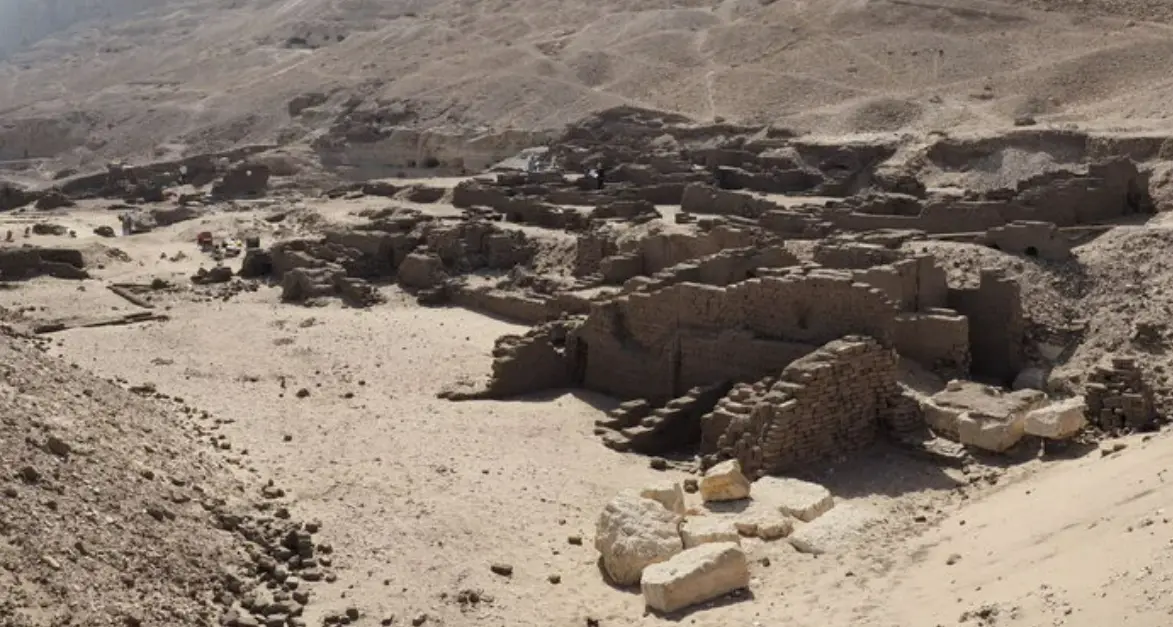
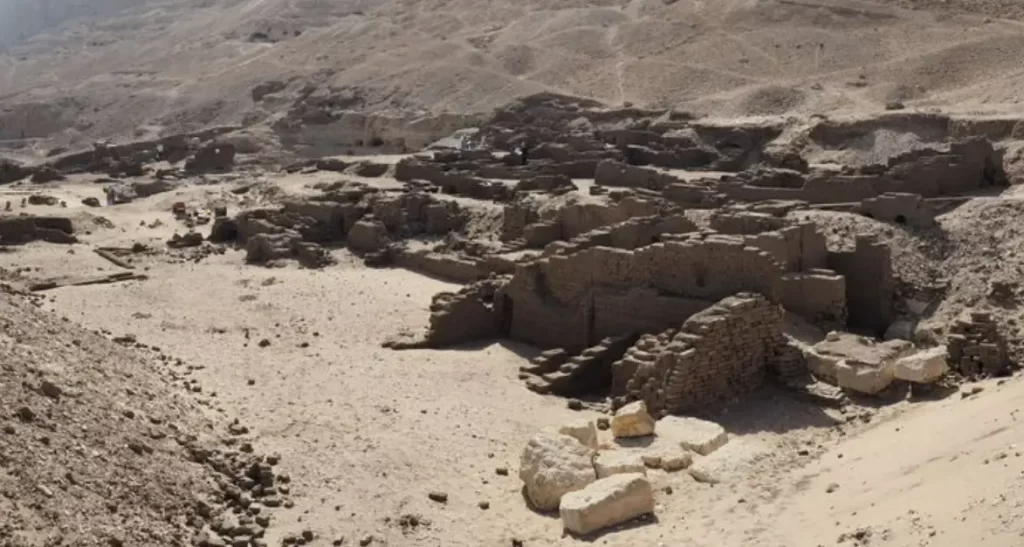
Archaeologists working in Egypt have uncovered an extraordinary ancient Egyptian to-do list, offering a rare and personal glimpse into everyday life from more than 2,000 years ago. The discovery was made during excavations at the historic site of Athribis, located west of the Nile River in southern Egypt.
A Simple List with Powerful Historical Value
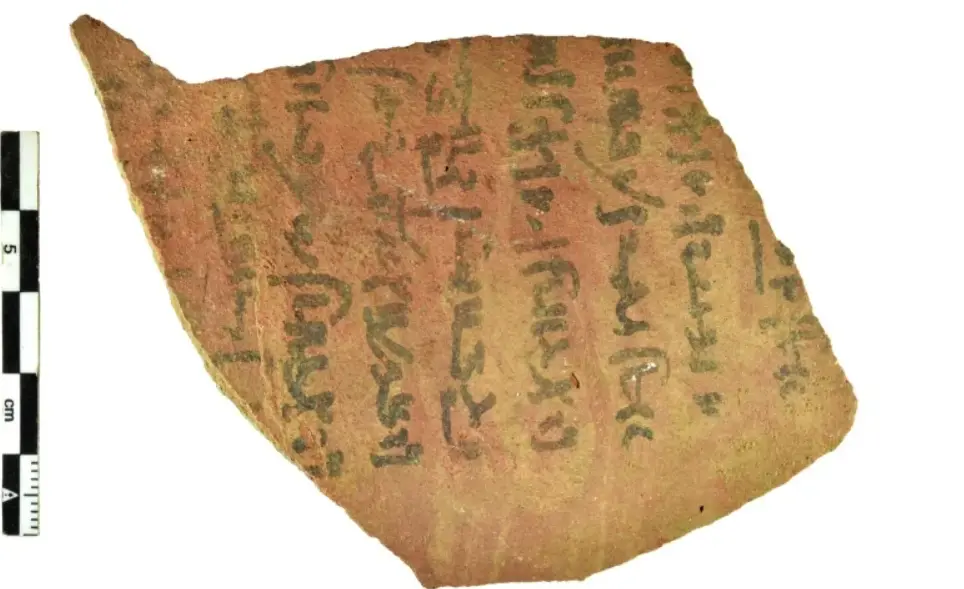
The so-called ancient Egyptian to-do list was not written on paper as we know it today. Instead, it was found on pieces of broken pottery and limestone, known as “ostraka.” These fragments were commonly used in ancient times as a cheaper alternative to papyrus.
Researchers from the University of Tübingen in Germany, working alongside Egypt’s Ministry of Tourism and Antiquities, identified this list among tens of thousands of similar fragments. In total, around 43,000 ostraka have been uncovered at the site, making it one of the largest collections ever discovered in a single location.
Everyday Notes from Ancient People
What makes this ancient Egyptian to-do list so fascinating is its simplicity. Unlike grand inscriptions or royal decrees, these notes reflect ordinary daily activities. Some texts include reminders of deliveries, short notes about daily tasks, and even school exercises written by children.
According to Egyptologist Christian Leitz, these findings provide direct insight into the lives of the people who lived in Athribis. Rather than focusing only on kings and monuments, the ostraka reveal the routines, concerns, and habits of everyday individuals.
A Record of Life, Work, and Belief
The ostraka collection includes a wide range of documents. Researchers have identified tax receipts, administrative records, accounting lists, and even religious texts such as prayers and hymns. Some writings mention offerings made at temples, while others record personal financial matters.
Interestingly, over 130 texts related to astrology and zodiac signs have also been discovered. This suggests that Athribis may have been an important center for early astronomical knowledge in ancient Egypt.
Writing Before Paper
Before the widespread use of paper, writing was not always easy or common. Civilizations often used stone tablets, wooden boards, or pottery fragments. Because of this, historians once believed that writing was reserved for important or official matters.
However, the discovery of the ancient Egyptian to-do list challenges this idea. It shows that people also used writing for everyday purposes, much like modern shopping lists or reminders.
A Record-Breaking Discovery
The Athribis site continues to surprise researchers. A recent announcement confirmed the discovery of an additional 13,000 inscribed pottery fragments, bringing the total to approximately 43,000. This makes it the largest ostraka collection ever found in a single archaeological site, surpassing even the famous collection at Deir el-Medina.
Experts believe this massive archive will help reconstruct the social, economic, and religious history of the region over a period of more than 1,000 years.
Ongoing Research and Future Discoveries
All newly discovered ostraka are currently being analyzed as part of the “Ostraca d’Athribis” project, led by Professor Sandra Lippert and supported by international researchers. Specialists in ancient languages, writing systems, and pottery are working together to decode and interpret the texts.
Archaeologists plan to continue excavations in the coming years, hoping to uncover even more fragments. Each new piece adds another layer to the story of ancient Egyptian civilization.
Why This Discovery Matters
The ancient Egyptian to-do list may seem like a small and simple object, but it represents something much bigger. It connects modern readers with the everyday thoughts and routines of people who lived thousands of years ago.
Rather than focusing only on monuments and rulers, this discovery highlights the human side of history — showing that even in ancient times, people made lists, tracked tasks, and recorded their daily lives.