James
James
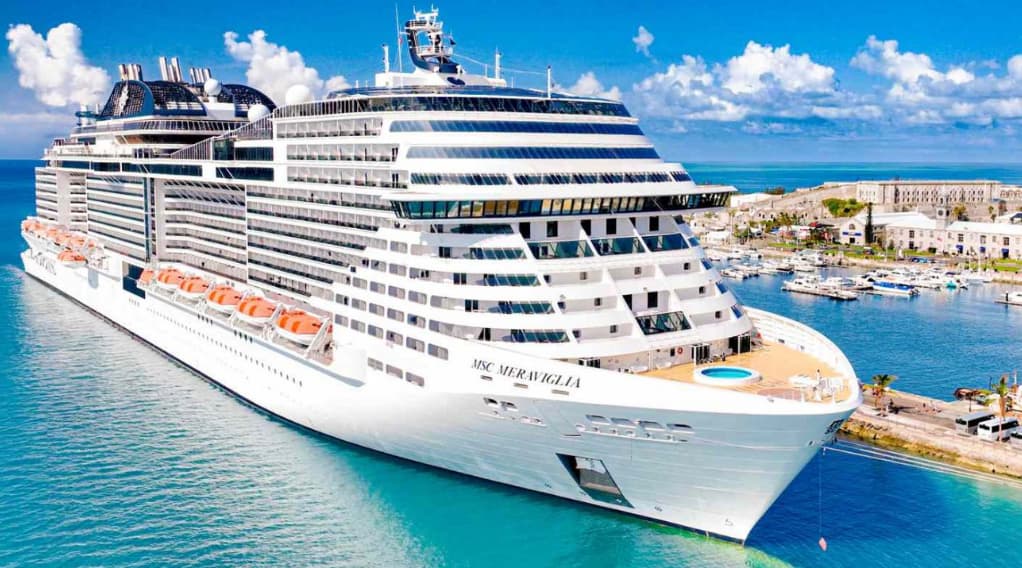
MSC Cruises Smart Glasses Ban has become one of the most talked‑about updates in the cruise industry this season. The company has officially prohibited passengers from using smart glasses in public areas aboard its ships, citing privacy and security concerns. This move has sparked widespread debate among travelers, technology enthusiasts, and cruise fans worldwide.
📸 Why MSC Cruises Banned Smart Glasses
MSC Cruises announced that devices capable of discreetly recording or transmitting data—such as Google Glass, Meta/Ray‑Ban Stories, and other AI‑powered smart glasses—are no longer permitted in public spaces.
The official policy states:
“Devices capable of covertly or discreetly recording or transmitting data (e.g. smart glasses) are not allowed in ships’ public areas.”
This includes lounges, restaurants, pools, theaters, and other communal spaces. The cruise line emphasized that port security teams have the authority to confiscate such devices during boarding if discovered in luggage.
🔒 Protecting Guest Privacy
The primary reason behind the MSC Cruises Smart Glasses Ban is passenger privacy. Unlike smartphones or cameras, smart glasses can record discreetly without drawing attention. This raises concerns that guests could be filmed in sensitive areas such as restrooms, spas, or even during private moments without their consent.
MSC Cruises explained to travel advisors:
“We are committed to ensuring that all guests feel comfortable and safe on our ships without concern that they might be recorded without their knowledge or consent.”
By banning smart glasses, MSC aims to prevent potential misuse of wearable technology and safeguard the onboard experience.
⚖️ Security and Liability Concerns
Beyond privacy, the ban also addresses security risks. Smart glasses could potentially be used to record restricted areas such as gangways, security checkpoints, or crew‑only zones.
From a legal perspective, allowing such devices could expose MSC Cruises to lawsuits if passengers claim their privacy was violated. By implementing a clear ban, the company reduces liability while reinforcing its commitment to guest safety.
🎥 The Rise of Covert Recording on Cruises
Cruise ships are popular settings for vlogs, livestreams, and social media content. Many passengers enjoy documenting their vacations, but some creators push boundaries by filming controversial or staged incidents to gain online attention.
Smart glasses, with their discreet design, make it easier to record without detection. MSC’s ban may be a proactive step to prevent viral incidents that could damage the cruise line’s reputation.
🛑 Confusion Among Passengers
Interestingly, enforcement of the ban has caused confusion. Some passengers report that they were able to bring smart glasses onboard without issue, while others claim security staff warned them against using the devices.
This inconsistency has led to speculation that the policy may function similarly to MSC’s drone rules: passengers can bring drones onboard but cannot use them during the cruise. If discovered in use, drones are confiscated and returned at the end of the trip.
📊 Comparison With Other Cruise Lines
Currently, MSC Cruises is the only major cruise line to explicitly ban smart glasses. Competitors such as Royal Caribbean, Carnival, and Norwegian Cruise Line have not yet introduced similar restrictions.
However, incidents involving livestreamers and vloggers on other ships suggest that more cruise companies may adopt comparable policies in the future. For example, in November 2025, two livestreamers were removed from Royal Caribbean’s Harmony of the Seas after a fight in Roatan, Honduras. The incident highlighted how recording devices can escalate onboard conflicts.
👓 Guest Reactions to the Ban
The MSC Cruises Smart Glasses Ban has divided passengers. Some applaud the move, saying it protects privacy and ensures a more relaxed atmosphere. Others, particularly tech enthusiasts, argue that smart glasses offer more than just recording functions—such as translation, music playback, and hands‑free communication.
One passenger commented:
“I love my Ray‑Ban smart glasses. They do so much more than photo and video. If they don’t go, neither do I.”
Another traveler expressed frustration:
“Down goes MSC. I’ll book Virgin Voyages instead.”
These reactions show that while MSC’s policy may reassure some guests, it risks alienating others who value wearable technology.
📌 Broader Implications for Travel Technology
The ban raises important questions about the future of wearable tech in travel. As devices become more advanced and discreet, companies must balance innovation with privacy. Airlines, hotels, and resorts may eventually face similar challenges.
MSC Cruises’ decision could set a precedent, encouraging other travel providers to review their policies on smart glasses and similar gadgets.
📝 Conclusion
The MSC Cruises Smart Glasses Ban reflects growing concerns about privacy in the age of wearable technology. While smartphones and cameras remain permitted, smart glasses are seen as crossing a line due to their discreet recording capabilities.
Whether other cruise lines will follow MSC’s lead remains to be seen. For now, the ban highlights the tension between technological innovation and the need to protect guest privacy in shared spaces.