James
James
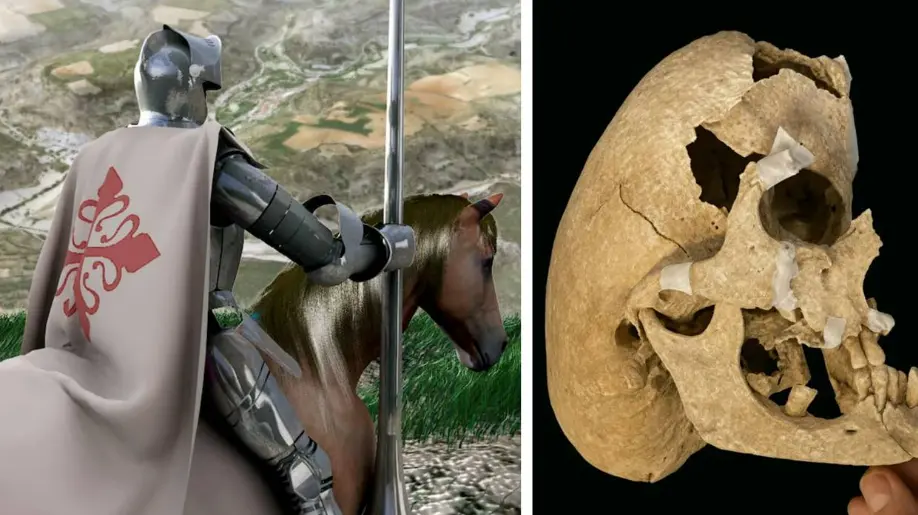
Spain Knight Crouzon Syndrome has been identified in a 600-year-old skeleton discovered at a medieval castle in Spain, revealing a rare genetic condition in a warrior from the Middle Ages. Archaeologists describe the find as extraordinary, as this may be the first known case of Crouzon syndrome detected in an adult knight within archaeological records.
The remains were uncovered during excavations at the ruins of Zorita de los Canes Castle, located in the province of Guadalajara. Based on historical and skeletal evidence, the individual is believed to have lived between the 12th and 15th centuries and was likely a member of the Order of Calatrava, a powerful military-religious order active during medieval Spain.
Unusual Skull Structure Leads to Rare Diagnosis
Researchers working on the site noticed that the skull had an unusually narrow and elongated shape. Detailed analysis revealed features consistent with Crouzon syndrome, a rare genetic condition linked to abnormal skull development.
According to the research team, such findings are typically observed in infant remains. Discovering these traits in a fully grown adult—and particularly in a knight—makes this case exceptionally rare.
The study was published in Heritage journal and led by Carme Rissech, a researcher from the Department of Basic Medical Sciences at Rovira i Virgili University. Rissech emphasized that this is likely the first archaeological identification of Crouzon syndrome in an adult warrior.
What Is Crouzon Syndrome?
Crouzon syndrome is characterized by a condition known as craniosynostosis, where the bones of the skull fuse too early during infancy. This prevents the skull from growing normally, often resulting in distinctive facial and cranial shapes.
In modern medicine, surgical intervention can help manage this condition. However, during the Middle Ages, no such treatments were available. Despite this, the individual lived into his 50s, suggesting that the syndrome did not severely shorten his lifespan.
Measurements show the skull was approximately 23 centimeters long and 12 centimeters wide, further supporting the diagnosis.
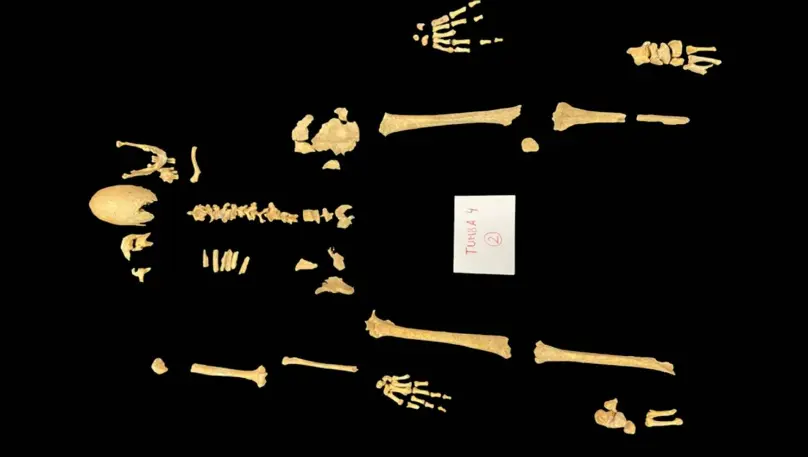
Evidence Suggests the Individual Was a Knight
Several physical markers point to the individual being a trained knight. Muscle attachment marks on the right shoulder and upper arm closely match those found in other medieval warrior skeletons.
Additionally, skeletal changes associated with frequent horseback riding were identified, reinforcing the idea that this person led a physically demanding life consistent with military service.
Signs of Violent Death on the Battlefield
The skeleton shows multiple traumatic injuries likely related to combat. These include:
- A penetrating wound to the temple
- A second piercing injury at the back of the neck
- Severe fractures in the leg bones caused by heavy impact
Experts note that these injuries show no signs of healing, indicating they likely occurred shortly before or at the time of death. Such patterns are common among individuals who died in medieval warfare.
Other Conditions Ruled Out During Diagnosis
To confirm the findings, researchers used a differential diagnosis approach, systematically excluding other genetic disorders that cause severe developmental issues or significantly shorten lifespan.
Crouzon syndrome remained the only condition fully consistent with the skeletal evidence. Importantly, the syndrome does not necessarily involve severe cognitive impairment, which means the individual could have functioned normally within his community.
Jaw and Dental Problems Reveal Daily Struggles
The remains also show significant damage to the jaw and heavy dental buildup. These issues may have caused difficulties with eating and general oral health. Despite these challenges, evidence suggests the knight was capable of riding, fighting, and participating in battles alongside his fellow order members.
Researchers believe he likely took part in military campaigns “alongside his brothers”, fulfilling his duties despite living with a rare genetic condition.
A Discovery That Changes Historical Understanding
The identification of Spain Knight Crouzon Syndrome reshapes how historians and scientists view disability, health, and social roles in medieval societies. It demonstrates that individuals with genetic conditions could still achieve respected and physically demanding positions, even in a warrior class.
This discovery not only expands archaeological knowledge but also humanizes the past, offering a rare glimpse into the resilience and adaptability of people living centuries ago.