 James
James
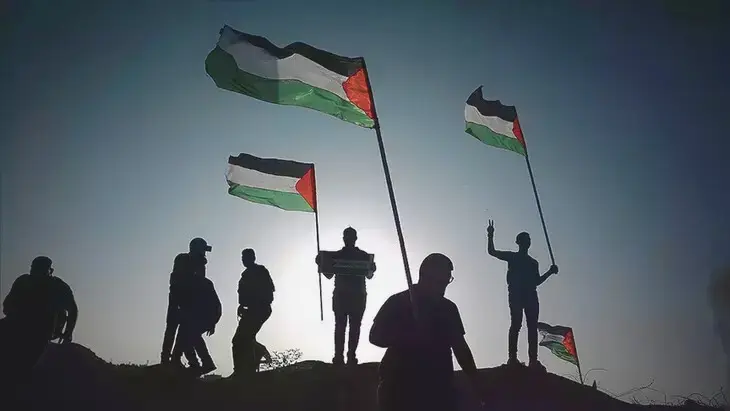
The question of Palestine’s recognition as an independent state has once again gained international attention. While Palestine declared independence on November 15, 1988, only a portion of the 193 United Nations member states have officially recognized the Palestinian State. The ongoing tensions and Israeli attacks have made the topic even more pressing. During the 80th UN General Assembly in New York, 11 additional countries officially recognized Palestine, highlighting a growing diplomatic momentum.
Here’s a comprehensive look at the countries recognizing Palestine in 2025 and the latest updates from the UN.
How Many Countries Recognize Palestine?
Since its independence declaration in 1988, Palestine has been recognized by 147 UN member states. Recognition has steadily increased over the years, particularly after periods of heightened conflict in the region.
Recent recognitions include countries such as:
- Barbados, Jamaica, Trinidad and Tobago
- Bahamas, Ireland, Norway, Spain
- Slovenia, Armenia, Mexico
During the “High-Level International Conference for the Peaceful Resolution of the Palestinian Issue and the Implementation of a Two-State Solution” at the UN, multiple countries confirmed their recognition of Palestine, bringing the total number of recognizing countries to 158.
Major Diplomatic Announcements at the UN
The 80th United Nations General Assembly in New York hosted some of the largest diplomatic gatherings in the world, bringing together leaders from numerous countries to discuss peace in the Middle East.
Countries that recently recognized Palestine include:
- France: President Emmanuel Macron emphasized the urgent need for peace and confirmed France’s recognition of the Palestinian State.
- Portugal: President Marcelo Rebelo de Sousa stressed humanitarian aid access in Gaza, prisoner releases, and an immediate ceasefire, confirming Portugal’s recognition of Palestine.
- Monaco: Prince Albert II reiterated support for Palestine under international law.
- Australia: Prime Minister Anthony Albanese recalled that Australia’s 1947 UN vote aimed for a two-state solution, which includes Palestine.
- Canada: Prime Minister Mark Carney criticized obstacles to Palestine’s establishment, affirming Canada’s recognition.
- Belgium, Luxembourg, Malta, United Kingdom, Andorra: All publicly announced formal recognition of Palestine during the assembly.
These announcements send a strong diplomatic message and reinforce the global push for a two-state solution as a pathway to sustainable peace in the region.
The Role of Turkey in Palestine Recognition
Turkey was among the first countries to recognize Palestine immediately after its independence declaration on November 15, 1988. Since then, Turkey, along with 12 other countries, has consistently supported Palestine in international forums, advocating for sovereignty, human rights, and peaceful resolutions.
Why International Recognition Matters
Recognition of Palestine by individual nations carries significant political, legal, and humanitarian weight:
- Legally, it strengthens Palestine’s standing in international bodies such as the United Nations and International Criminal Court.
- Politically, it pressures Israel and other countries to engage in constructive negotiations.
- Humanitarian support, including aid access and ceasefire negotiations, becomes easier with broader recognition.
As global attention grows, the international community’s consensus on Palestine could pave the way for lasting peace in one of the world’s most enduring conflicts.
Key Takeaways
- 158 UN member states now officially recognize Palestine as of 2025.
- Recent recognitions were announced at the 80th UN General Assembly in New York.
- France, Portugal, Monaco, Australia, Canada, Belgium, Luxembourg, Malta, the UK, Andorra are among the newest countries recognizing Palestine.
- Turkey has been a long-standing supporter since 1988.
- Recognition supports sovereignty, peace talks, and humanitarian access.
Trump Sparks Tension: Calls on NATO to Shoot Down Russian Jets


One Comment
Leave a ReplyOne Ping
Pingback:Italy’s Prime Minister Meloni Sets Conditions for Recognizing Palestine - NSF Daily News