James
James
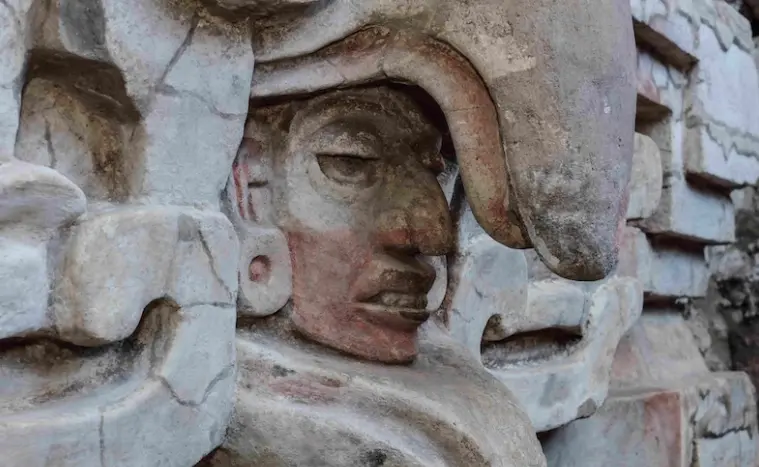
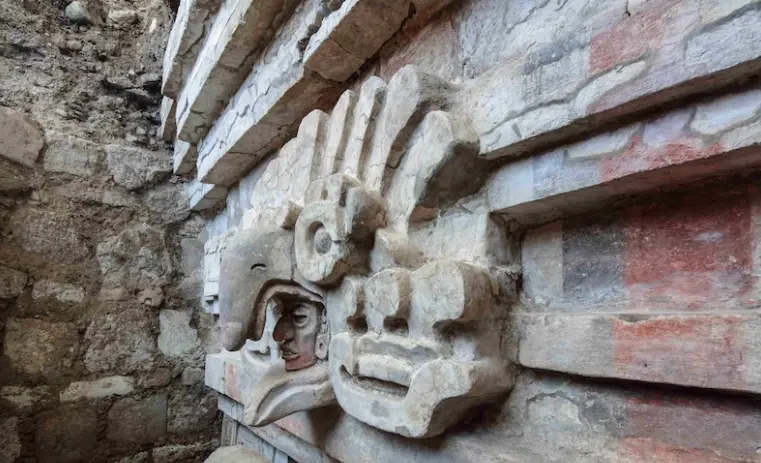
Zapotec tomb owl carving discoveries in southern Mexico are drawing international attention after archaeologists revealed a remarkably preserved burial site dating back approximately 1,400 years. The tomb, found in the state of Oaxaca, features a monumental carved owl with a human figure emerging from its beak — a powerful symbol of death and authority in ancient Zapotec culture.
Mexican officials have described the find as one of the most significant archaeological discoveries of the past decade, offering rare insight into Zapotec beliefs, burial rituals, and social organization.
A chance discovery leads to a major find
The tomb was uncovered in San Pablo Huitzo, a municipality in Oaxaca, during a 2025 investigation triggered by an anonymous tip about suspected looting activity. While tracking signs of illegal excavation, archaeologists instead came across an intact Zapotec tomb hidden beneath the surface.
Following detailed examination, Mexico’s president Claudia Sheinbaum Pardo announced during a press briefing that the site represents “the most important archaeological discovery in Mexico in the last ten years.”
Dating back to the height of Zapotec civilization
Archaeological analysis places the tomb around AD 600, a period when the Zapotec people — sometimes called the “Cloud People” — were flourishing across the Oaxaca Valley. The Zapotec civilization emerged around 700 BC and continued until the Spanish conquest in 1521.
Despite the collapse of their political structures, Zapotec culture never disappeared. Today, hundreds of thousands of people in Mexico still speak Zapotec languages and maintain elements of their ancestral traditions.
The giant owl that guards the tomb
The most striking feature of the newly discovered tomb is its massive carved owl positioned at the entrance. When viewed from the front, the owl’s open beak reveals the painted face of a human figure believed to represent a Zapotec lord or honored ancestor.
According to Mexico’s National Institute of Anthropology and History (INAH), owls symbolized death, power, and the transition between worlds in Zapotec belief systems. The placement of the human figure inside the owl’s mouth is thought to reflect the deceased’s passage into the afterlife under the protection of supernatural forces.
Architectural details and symbolic carvings
Beyond the owl carving, the tomb contains an elaborately decorated entrance separating two internal chambers. The doorway is framed by finely cut stone slabs forming a horizontal lintel carved with calendar-based names.
These names were part of a Zapotec naming system in which gods and elite individuals were identified by symbols linked to their birth dates, reflecting a sophisticated understanding of time and ritual cycles.
On either side of the doorway, archaeologists identified carved male and female figures. Researchers believe these sculptures may represent ancestral guardians, protective spirits, or important members of the elite household associated with the tomb.
Well-preserved murals reveal funeral rituals
Inside the burial chamber, archaeologists found polychrome wall paintings preserved in shades of white, green, red, and blue. The murals depict a funeral procession, showing figures carrying bags filled with copal, a tree resin commonly burned as incense during Mesoamerican ceremonies.
Copal played a central role in pre-Columbian ritual life, symbolizing purification, communication with deities, and the honoring of the dead. The imagery suggests that the individual buried in the tomb held high social or religious status.
An exceptional level of preservation
Mexico’s Minister of Culture, Claudia Curiel de Icaza, described the tomb as an extraordinary discovery due to its state of preservation and the depth of information it provides about Zapotec society.
According to Curiel de Icaza, the tomb offers valuable insight into Zapotec social hierarchy, funerary practices, architectural knowledge, and worldview, all captured through sculpture, layout, and mural art.
Ongoing research and protection efforts
An interdisciplinary team from INAH is currently working to secure and conserve the site. Future studies will focus on:
- Ceramic artifacts recovered from the tomb
- Iconographic analysis of carvings and murals
- Examination of the limited human remains found inside
Researchers hope these studies will shed further light on Zapotec political structure and religious beliefs during the Classic period.
Looting remains a major threat
The Huitzo tomb joins more than a dozen Zapotec tombs discovered in Oaxaca over the past decade. Unfortunately, many of those sites were heavily looted before archaeologists could study them.
Officials note that looting has caused irreversible damage to Mexico’s archaeological heritage. In this context, the intact condition of the Huitzo tomb makes it especially valuable.
President Sheinbaum described the discovery as “a source of pride for Mexicans and proof of Mexico’s historical greatness.”
Why the Zapotec tomb owl carving matters
The Zapotec tomb owl carving is more than an artistic achievement. It represents a rare, tangible link to how an ancient civilization understood death, power, and the afterlife.
For archaeologists, historians, and Indigenous communities alike, the discovery adds an important chapter to the story of Mesoamerica — one that continues to shape Mexico’s cultural identity today.