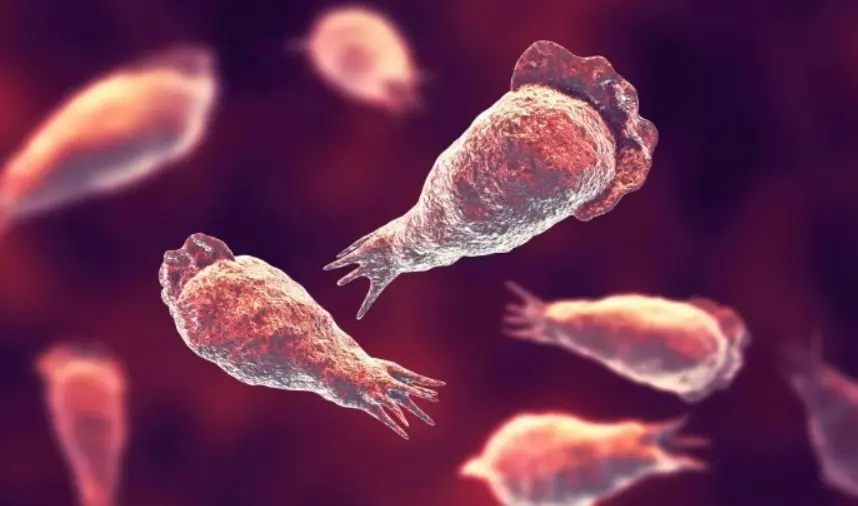
Brain-eating amoeba Naegleria fowleri has once again drawn the attention of scientists, who are warning that climate change could increase the spread of this rare but extremely deadly microorganism. While infections remain uncommon, the fatality rate can reach as high as 99 percent, making it one of the most lethal pathogens known to modern medicine.
Researchers emphasize that rising global temperatures, warming freshwater systems, and inadequate water management may allow the amoeba to appear in regions where it was previously unseen. Health experts are now urging greater public awareness and preventive measures.
What Is the Brain-Eating Amoeba?
Brain-eating amoeba Naegleria fowleri is a free-living, single-celled microorganism found naturally in soil and warm freshwater environments. Unlike many parasites, it does not require a host to survive. It thrives independently in lakes, rivers, hot springs, poorly maintained swimming pools, and even warm tap water under certain conditions.
These amoebas are highly adaptable. They move and feed using temporary extensions called pseudopodia, allowing them to survive in changing and often harsh environments. This adaptability makes them difficult to eliminate entirely from water systems.
Among all free-living amoebas, Naegleria fowleri is considered the most dangerous to humans.
Why Naegleria Fowleri Is So Dangerous
Brain-eating amoeba Naegleria fowleri infects humans in a very specific way. Infection occurs when contaminated water enters the body through the nose, typically during swimming, diving, or water-related activities in warm freshwater.
Once inside the nasal cavity, the amoeba travels along the olfactory nerve directly to the brain. There, it destroys brain tissue, causing a rare but devastating condition known as primary amoebic meningoencephalitis (PAM).
The disease progresses rapidly. Early symptoms often include:
- Severe headache
- Fever
- Nausea and vomiting
- Stiff neck
Within days, symptoms can escalate to seizures, hallucinations, coma, and death. According to scientists, survival rates remain extremely low, with mortality estimated between 95 and 99 percent.
Importantly, the amoeba cannot be contracted by drinking water and does not spread from person to person.
Rare but Deadly: Why Cases Are Increasing
Historically, Naegleria fowleri was mostly found in warm climates. However, climate change is altering this pattern.
As global temperatures rise, lakes, rivers, and reservoirs remain warmer for longer periods. This creates ideal conditions for heat-loving organisms like brain-eating amoeba Naegleria fowleri to multiply and expand into new regions.
Scientists warn that areas previously considered low-risk may now face potential exposure, especially during heatwaves and droughts when water levels drop and temperatures rise further.
Why This Amoeba Is Hard to Eliminate
Although Naegleria fowleri can be killed through proper water treatment and chlorination, real-world conditions make this challenging.
The amoeba can hide within biofilms, thin layers of microorganisms that form inside water pipes. These biofilms protect the amoeba from disinfectants, reducing the effectiveness of chlorine and other treatments.
In hot conditions, the organism can also form a cyst, a hardened protective shell that allows it to survive unfavorable environments. This ability makes eradication particularly difficult in large or aging water systems.
A Hidden Threat: Amoebas as Pathogen Shelters
Free-living amoebas pose another serious risk beyond their direct infections. Scientists have discovered that these organisms can act as safe havens for other dangerous pathogens.
Bacteria such as:
- Mycobacterium tuberculosis (tuberculosis)
- Legionella pneumophila (Legionnaires’ disease)
can survive and multiply inside amoebas. Certain fungi, including Cryptococcus neoformans (a cause of fungal meningitis), as well as viruses like norovirus and adenovirus, may also be protected within them.
This relationship allows pathogens to persist longer in the environment and may contribute to increased antibiotic resistance, raising broader public health concerns.
How Climate Change Increases the Risk
Scientists agree that climate change plays a critical role in the growing concern around brain-eating amoeba Naegleria fowleri.
Key contributing factors include:
- Rising freshwater temperatures
- Longer summer seasons
- Reduced water flow and stagnation
- Increased reliance on untreated or poorly monitored water sources
Most water systems are not routinely tested for free-living amoebas because infections are rare and detection requires specialized, costly testing methods. As a result, potential exposure can go unnoticed.
Not Just the Brain: Other Health Risks
While the brain is the most severe target, free-living amoebas can cause other health issues as well. These include:
- Painful eye infections in contact lens users
- Skin lesions, especially in people with weakened immune systems
- Rare systemic infections affecting the lungs, liver, or kidneys
These cases are uncommon but highlight the broader risks posed by these microorganisms.
How to Reduce the Risk of Infection
Health experts stress that infections remain extremely rare, but simple precautions can significantly reduce risk.
Recommended safety measures include:
- Avoiding submerging the head in warm lakes and rivers
- Using nose clips while swimming in freshwater
- Never using tap water for nasal rinsing unless it is boiled, distilled, or sterile
- Ensuring swimming pools are properly chlorinated
- Regularly flushing and maintaining hot water systems
- Practicing strict contact lens hygiene
If symptoms such as severe headache, fever, nausea, or neck stiffness appear after freshwater exposure, immediate medical attention is crucial. Early diagnosis offers the only chance, however small, of survival.
A Rare Threat That Demands Awareness
Although cases of brain-eating amoeba Naegleria fowleri are exceedingly rare, the disease’s rapid progression and high fatality rate make awareness essential. Scientists stress that fear should not replace facts, but informed precautions are more important than ever in a warming world.
As climate patterns continue to change, understanding emerging health risks like this one may save lives.
Leave a Reply