James
James
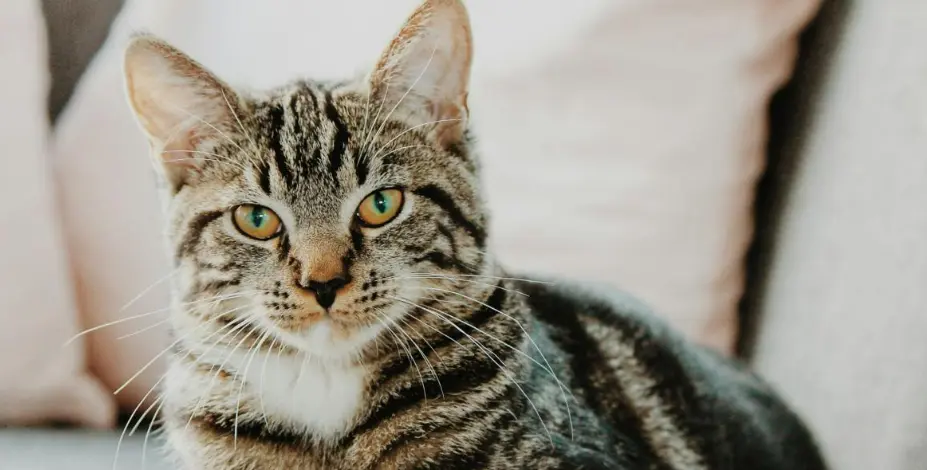
Cats are not attached to owners in the way dogs are, according to groundbreaking research from Eötvös Loránd University in Hungary. The study tested both therapy cats and ordinary house cats to explore how they interact with their owners compared to strangers, revealing surprising insights into feline behavior.
For centuries, humans and cats have shared a unique relationship. While dogs often rely heavily on humans for comfort and guidance, cats have maintained a reputation for independence. Recent research confirms that cats do not form attachment bonds to humans like dogs do.
How the Study Was Conducted
Researchers faced a key challenge: testing house cats in laboratory settings is difficult because most cats dislike leaving their familiar environment. To overcome this, scientists used 15 therapy cats trained to explore new places and 13 ordinary house cats. The cats were placed in a room with their owners and with strangers to observe their behavior.
The results, published in Applied Animal Behaviour Science, showed that therapy cats interacted with strangers just as they did with their owners. Ordinary house cats displayed little to no reaction to either their owners or strangers. This indicates that cats do not rely on humans for emotional support or security in the same way dogs do.
The “Strange Situation Test”
The researchers employed a method called the “strange situation test,” previously used to study dog attachment. This test measures attachment by observing whether the animal seeks comfort from its owner, displays anxiety when left alone, and responds differently to strangers versus owners.
Cats showed very few of these attachment behaviors. They did not stay closer to their owners, follow them around, or show more interest in playing with them compared to strangers. Essentially, cats remained equally friendly—or indifferent—toward both.
Independence in Cats
Dr. Péter Pongrácz, who led the study, explained to The Independent that cats have developed a mutually beneficial relationship with humans without becoming dependent. “Dogs became dependent on humans through domestication, while cats remained effective independent hunters. For cats, attachment is not biologically necessary—they live as equals alongside humans,” he said.
The study observed stress behaviors when the owner left the room, such as hiding under chairs or looking toward the door. These behaviors were similar when a stranger was present, further demonstrating that cats are not strongly attached to their owners.
What This Means for Cat Owners
These findings highlight that cats’ social relationships with humans are based on mutual respect and companionship rather than dependency. While cats can form bonds and enjoy human company, their interactions are more about friendship and less about emotional reliance.
Dr. Pongrácz also suggested that cats’ historical relationship with humans, particularly access to rodents on farms and in homes, provided them advantages without creating strong dependence. Unlike dogs, who view their owners as a “safe base” or secure haven, cats maintain independence while still enjoying human interaction.
Conclusion
This research reshapes our understanding of cats and their relationships with humans. Cats are friendly, sociable, and adaptable, but they do not require emotional attachment to thrive. Owners can appreciate their feline companions for what they are: independent, curious, and affectionate on their own terms.
Cats are not attached to owners, but they show that a healthy, cooperative, and mutually rewarding relationship with humans is entirely possible without dependency. This insight encourages pet owners to respect cats’ independence while enjoying their unique personalities and companionship.